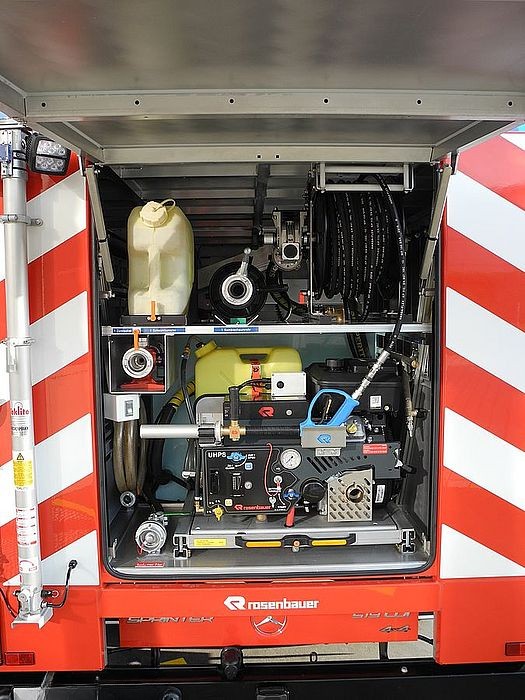

Drive Vehicles Under Operational Conditions Training
This course is delivered as a structured one-day training program, consisting of approximately 10 hours of training. Participation in the scheduled face-to-face training session and completion of the required online learning modules is mandatory.
Fill in the form and
we will be in touch!
"*" indicates required fields

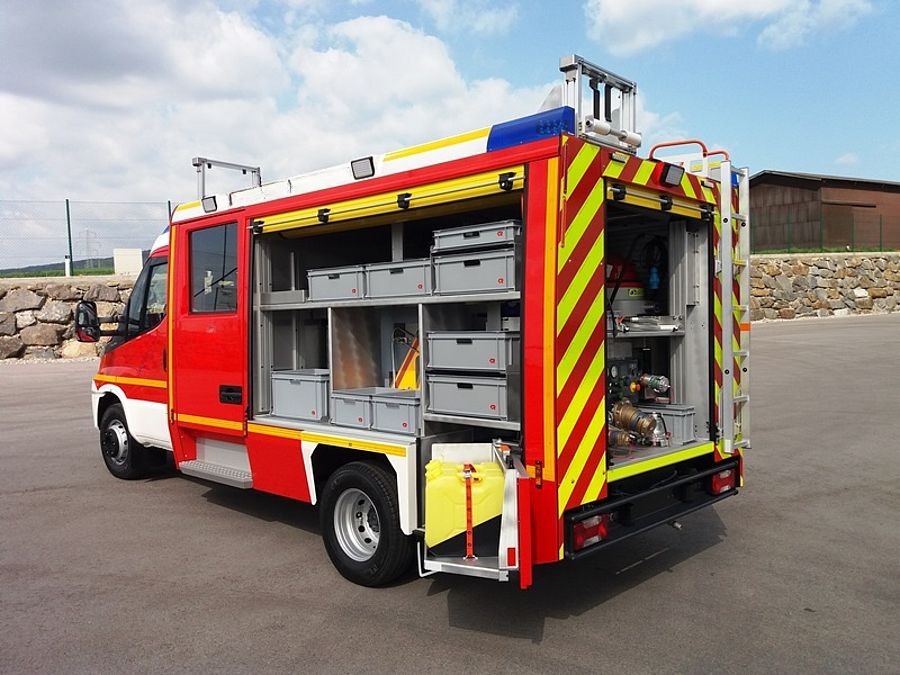
The PUAVEH001 Drive vehicles under operational conditions unit of competency provides the students with the required skills and knowledge to drive vehicles safely, including the systematic and safe control of all vehicle’s functions and the management of hazardous situations under operational conditions. This course will include cabin drill; prestart and job hazard analysis (JHA) checks as well as a practical assessment which involves a narrated drive observation.
Upon successful completion of this training course students will be able to:
-
Prepare Vehicles for Operational Response – Conduct pre-operational checks, ensure all vehicle systems and equipment are functional, and take necessary safety precautions to prepare the vehicle for emergency or operational deployment.
-
Drive Vehicle – Operate the vehicle safely and efficiently under a range of conditions, demonstrating control over all vehicle functions while complying with road rules, workplace procedures, and operational requirements.
-
Monitor Traffic, Road, and Terrain Under Operational Conditions – Continuously observe and assess traffic, road, and environmental conditions, make informed decisions to maintain safety, and adapt driving techniques to respond effectively to hazards and operational challenges.
Career Pathways
Career opportunities following completion of this training include roles as firefighter recruits, emergency response team members, workplace safety officers, and rescue operations specialists across industries such as fire services, mining, industrial operations, and emergency management.
Study Pathways
After completing this training, students can progress to higher-level qualifications such as the RII30719 Certificate III in Emergency Response & Rescue.
Students can access a comprehensive range of training support services, including learning assistance, LLND support, and academic guidance, as well as wellbeing support and referral services for personal or wellbeing-related matters. Details on how to access these services, along with payment terms and conditions, refund policies, and procedures for withdrawing from training, are provided in the Student Handbook and the Training Documents section of the website.
Entry Requirements
To enrol in the Drive Vehicles Under Operational Conditions Training, students must meet the following entry requirements:
- Provide a government-issued photo identification (e.g. driver’s licence, passport) at the time of enrolment.
- Hold a valid Unique Student Identifier (USI). This is a mandatory requirement for issuing nationally recognised qualifications in Australia.
- Complete a Language, Literacy, Numeracy, and Digital Literacy (LLND) assessment at a minimum of Australian Core Skills Framework (ACSF) Level 2 prior to course commencement. This assessment helps determine whether additional learning support is required to successfully complete the qualification.
- Complete a Health and Fitness Declaration. Students are required to declare any medical condition(s) that may prevent or limit their ability to safely and fully participate in all units of the course.
Student Responsibilities and Practical Requirements
- Approximately 12 months Industry Experience
- Be physically fit and able to carry a minimum of 15kgs in weight
- Communicate in a clear manner with others
- Read and Record measurements
- Record information legibly
- Read and comply with work instructions and specifications
- Complete a health and fitness declaration. Please note that students are required to declare any medical issue(s) that may prevent or exclude them from full participation in the unit
- The physical capacity to undertake the practical components with this course.
- Wear long pants, long sleeved shirt, safety boots, safety glasses and sun protection on face-to-face training days
For further information or enquiries regarding course entry requirements, please contact Parabellum International Training at training@parabellum.com.au.
The studied unit PUAVEH001 Drive vehicles under operational conditions does not have any licensing, legislative or certification requirements.
Students can enrol directly into Drive Vehicles Under Operational Conditions Training without needing to complete any prior vocational qualifications.
Mode of Delivery
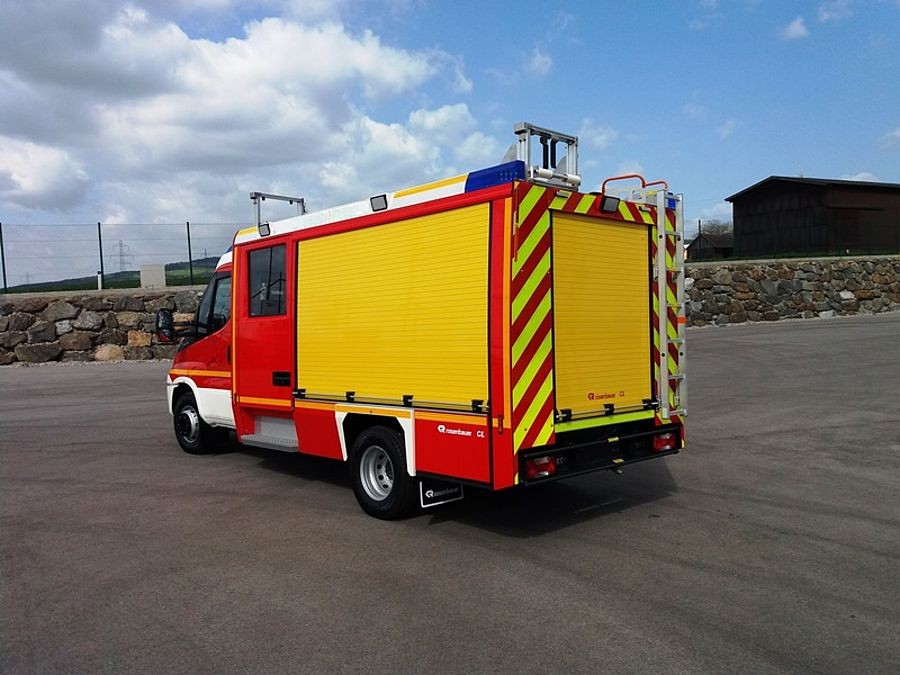
The Drive Vehicles Under Operational Conditions Training is delivered through a combination of theoretical and practical components, led by experienced and qualified trainers who maintain current industry knowledge in fire, emergency response, and rescue operations.
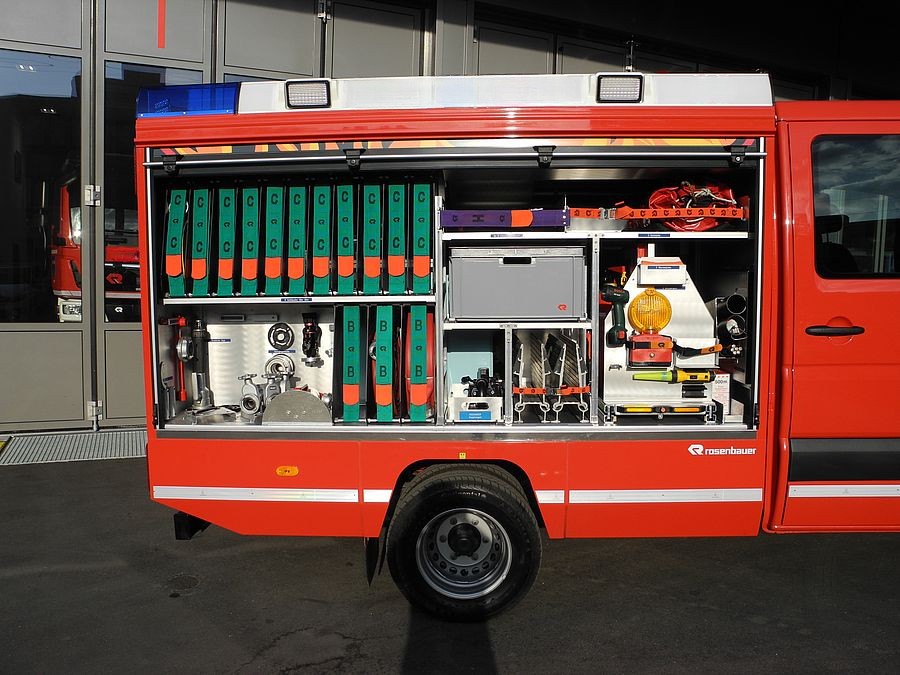
The course is delivered through a combination of structured learning methods, including:
- Face-to-face practical training exercises
- Self-paced online learning modules
- Workplace-based training conducted in real or simulated work environments
- Blended learning activities, such as workplace simulations and digital assessments integrated with practical demonstrations
- Practical narrated drive
- Group discussions
This blended approach provides flexibility while ensuring that students develop both the theoretical knowledge and hands-on practical skills required to demonstrate competency in emergency response and rescue operations.
Assessment Methods
Assessment is conducted by qualified assessors using a combination of tools and methods, in accordance with the principles of assessment (fairness, flexibility, validity, reliability) and the rules of evidence (valid, sufficient, current, authentic). Students will be assessed as either Competent or Not Yet Competent based on their performance against the unit requirements.
Assessment methods may include:
- Direct observation of practical skills and tasks during training exercises
- Verbal questioning to assess underpinning knowledge
- Written responses to theory-based questions
- Portfolio evidence, including completed workplace documents or work samples
- A combination of the above methods, as appropriate for each unit
Evidence Collection
Evidence of competency is gathered throughout the course and may include:
- Completion of theory questions through structured learning plans in the Learning Management System (LMS)
- Observation checklists completed by the trainer during practical assessments
- Submission of portfolio evidence, such as workplace forms, reports, or documentation relevant to unit outcomes
This comprehensive approach ensures all students are assessed fairly, consistently, and in accordance with the unit requirements of the Drive Vehicles Under Operational Conditions Training.

Recognition of Prior Learning (RPL) and Credit Transfer (CT)
Parabellum International Training RTO (51786) offers Recognition of Prior Learning (RPL) for students who can demonstrate prior skills and experience relevant to the course outcomes. Students may also be eligible for Credit Transfer (CT) for units of competency they have previously completed through another Registered Training Organisation (RTO).
RPL and CT applications are assessed individually in accordance with our RPL/CT Policy and the requirements of the training package.
Issued by Parabellum International Training (RTO Code: 51786)
Students who successfully complete all assessment requirements of the course will receive a nationally recognised Statement of Attainment, listing the following unit of competency:
PUAVEH001 Drive vehicles under operational conditions
The Statement of Attainment is issued in accordance with the Australian Qualifications Framework (AQF) and complies with the Standards for Registered Training Organisations (RTOs) 2025.
To express your interest or enquire about upcoming availability, please contact our team at training@parabellum.com.au
Fill in the form and
we will be in touch!
"*" indicates required fields
Get in Touch
Enquire About Our Training Courses
Fill out the form below and you will be one step closer to your qualification.