


$1,500
Premier Choice for Emergency Rescue Training – 10,000+ Graduates Strong
Undertake Road Crash Rescue
This comprehensive training program integrates the nationally recognised PUASAR022 Participate in a rescue operation and PUASAR024 Undertake road crash rescue units of competency. It equips students with the essential skills to safely and effectively participate in rescue operations and perform road crash rescues in various environments.
3 Days
Approximately 10 hours of face-to-face per day, plus online learning
Perth
Parabellum International Training Centre
47 Hope Valley Road, Naval Base, 6165, WA.
Fill in the form and
we will be in touch!
"*" indicates required fields
why choose parabellum

Tailored solutions designed and delivered by industry experts

Small Training Groups

nationally recognised

quality training equipment

Flexible payment and installments

competitive pricing

State of the art training facility

This course is designed to provide personnel, generally members of a rescue team, with an understanding of road crash rescue equipment and techniques in a rescue environment. It will demonstrate what is required to gain access to and extricate entrapped casualty(s) from vehicles travelling on the road such as cars, buses, trucks and semi-trailers while minimising the potential for further injury and preserving the integrity of evidence. This course is structured to build the abilities of the participants to a sufficient level for them to perform effectively as an individual and as a key member of a rescue team. This course is targeted to meet the needs of surface mines and general industries
This course is comprised of two units of competency, which are delivered and assessed in sequence to satisfy pre-requisite requirements.
PUASAR022 Participate in a Rescue Operation.
This unit of competency involves the skills and knowledge required to participate in rescue operations as a member of a rescue team; it underpins specialist rescue operations. This includes a wide range of rescue and environmental situations which may incorporate industrial, rural, bush and extreme environmental conditions.
Typically, personnel performing these roles have completed induction or recruitment training and are commencing work as a member of an operational team. It is applicable to personnel from the emergency services, volunteer organisations and/or associated industries.
- Prepare and respond to rescue.
- Contribute to a risk assessment at the scene.
- Perform rescue.
- Conclude rescue operations.
PUASAR024 Undertake Road Crash Rescue.
This unit of competency involved the skills and knowledge required to gain access to and extricate casualties from vehicles that have crashed on the road, such as cars, motorcycles, buses, vans, tracks and semi-trailers, whilst minimising the potential for further injury and preserving the integrity of evidence. The unit is applicable to members of rescue teams and requires responders to access casualties using a range of techniques, and to operate specialist equipment to undertake the rescue.
- Prepare and respond to road crash rescue.
- Establish and maintain rescue scene safety.
- Manage casualties.
- Remove casualties from vehicle.
- Conclude road crash rescue operations.
A government issued photo identification and valid USI is required for course registration.
All students must undertake a language, literacy, numeracy, and digital literacy test before commencement of this course to ascertain if support is required to assist you to successfully meeting your goals.
All students must complete a health and fitness declaration. Please note that students are required to declare any medical issue(s) that may prevent or exclude them from full participation of all units of competency.
Students must also possess the following:
- Approximately 12 months industry experience.
- Possess a laptop/tablet, which they are able to bring with them on training days.
- Be physically fit and able to carry a minimum of 20kgs in weight.
- Communicate in a clear manner with others.
- Read and record measurements.
- Record information legibly.
- Read and comply with work instructions and specifications.
- The physical capacity to undertake the practical components with this course.
- Wear long pants, long sleeved shirt, safety boots, safety glasses & sun protection on face-to-face training days.
If you have any questions or queries relating to any of the above, please contact Parabellum International Training directly for additional information.
The unit of competency HLTAID011 Provide First Aid is a pre-requisite for the units of competency PUASAR022 Participate in a Rescue Operation and PUASAR024 Undertake Road Crash Rescue.
The unit of competency PUASAR022 Participate in a Rescue Operation is a pre-requisite for the unit of competency PUASAR024 Undertake Road Crash Rescue.
All students must be deemed competent in all pre-requisite units of competency mentioned above in order to continue with the road crash rescue component of this course.
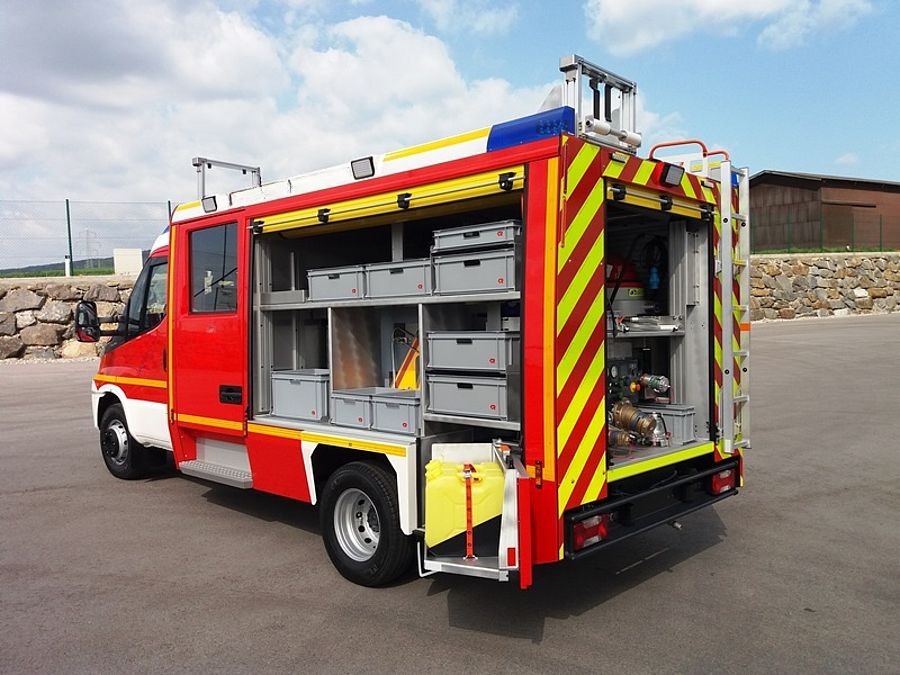
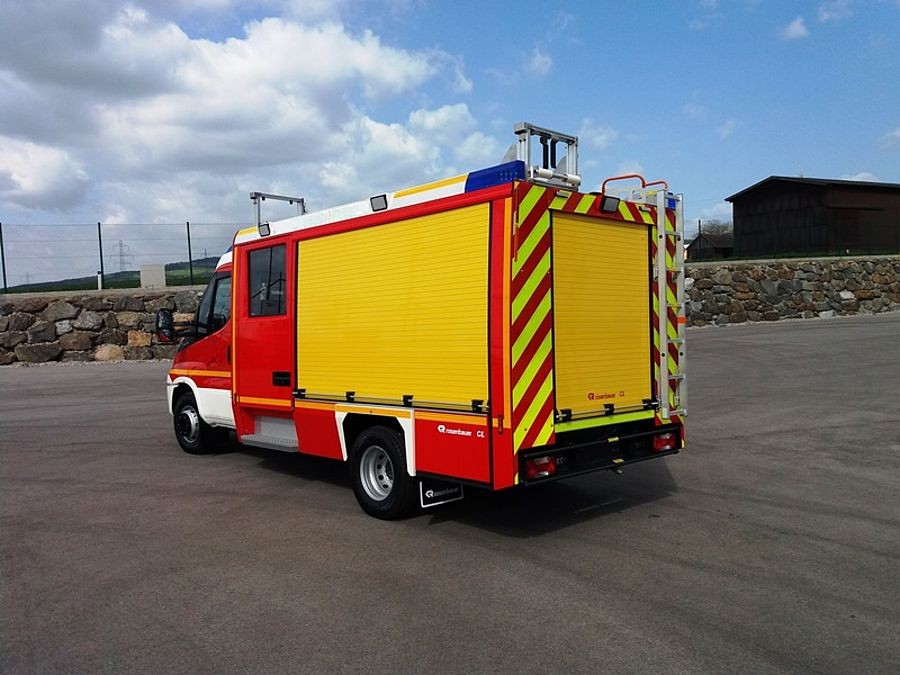
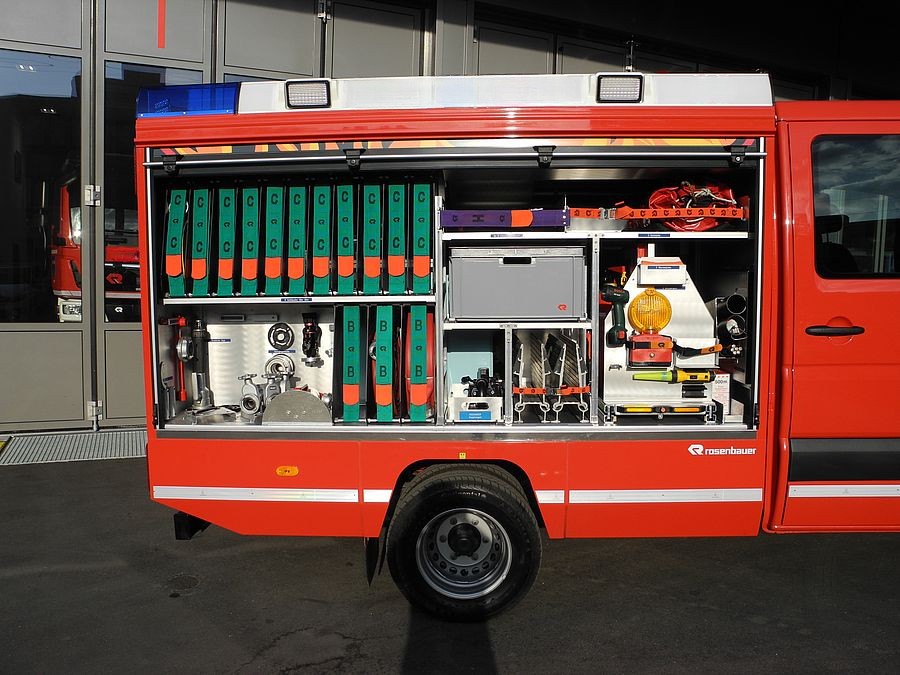
This course is delivered through classroom presentations, activities and participant discussion as well as practical demonstrations that will be carried out by our expert trainers. Students will take part in exercises that simulate a real rescue emergency within a workplace using specialised equipment. Exercises will include simulations based on rehearsed rescue plans using actual vehicles. Students will be required to demonstrate their competence in both written and practical assessments.
Students who attend and successfully meet all assessment requirements of this course will receive a nationally recognised statement of attainment with the following units of competency:
PUASAR022 Participate in a Rescue Operation.
PUASAR024 Undertake Road Crash Rescue.
Book A Course Today
Are the dates you wanted fully booked?
To express your interest or enquire about upcoming availability, please contact our team at training@parabellum.com.au
Fill in the form and
we will be in touch!
"*" indicates required fields
Get in Touch
Enquire About Our Training Courses
Fill out the form below and you will be one step closer to your qualification.