
Premier Choice for Emergency Rescue Training – 10,000+ Graduates Strong

Breathing Apparatus Operations and Injury Prevention Training

Developed by Parabellum International Training (RTO Code: 51786) in consultation with industry, this training includes two nationally recognised units of competency: PUAFIR207 Operate breathing apparatus open circuit and PUAFIR210 Prevent injury, providing students with essential skills for safe and effective operations in hazardous environments.
$750.00
2 Days

This course is delivered as a structured training program over 2 days, with approximately 10 hours of training per day. Participation in all scheduled face-to-face training sessions and completion of required online learning modules is mandatory.

Perth
Parabellum International Training Centre
47 Hope Valley Road, Naval Base, 6165, WA.

Fill in the form and
we will be in touch!

"*" indicates required fields

This field is hidden when viewing the form

why choose parabellum
Light blue graduation cap icon. Why choose us? Education symbol for academic excellence and learning.
Tailored solutions designed and delivered by industry experts
Why Choose: Blue exit icon. Symbolizes choosing a clear path, making a decision, or selecting an option, exit strategy, or moving forward.
Small Training Groups
Light blue map of Australia on a gray background. Why Choose Australia? Australia continent outline.
nationally recognised
Blue construction hard hat icon. Why Choose safety, protection, and skilled labor. Construction industry symbol.
quality training equipment
Teal circle with a gray horizontal line and a small gray rectangle at the bottom. Why choose this design?
Flexible payment and installments
Why Choose: Blue badge with a percentage symbol. Represents value, discounts, or financial benefits. A reason to choose this option.
competitive pricing
Why Choose: Blue ribbon icon. Represents quality, awards, and top choice. Symbolizes excellence, trust, and the best option.
State of the art training facility
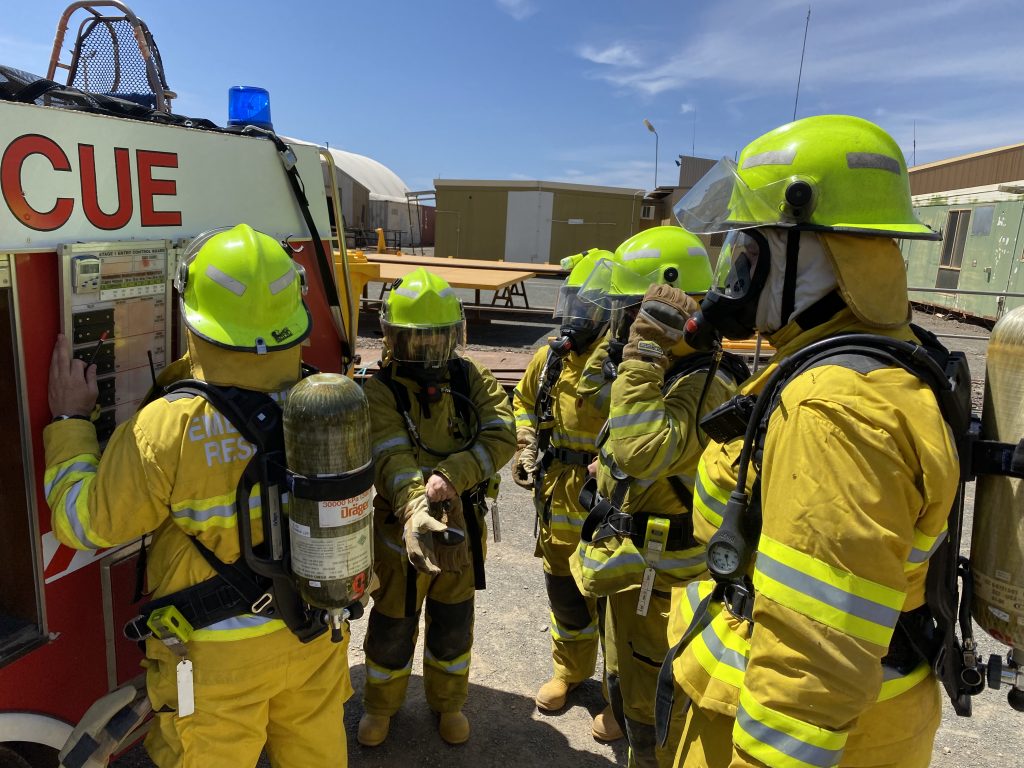
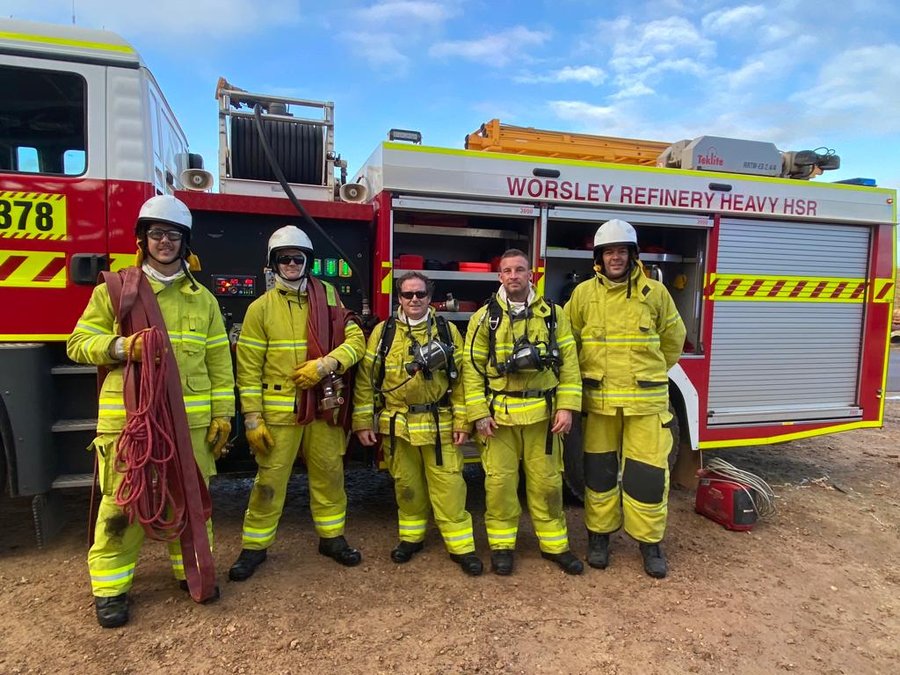
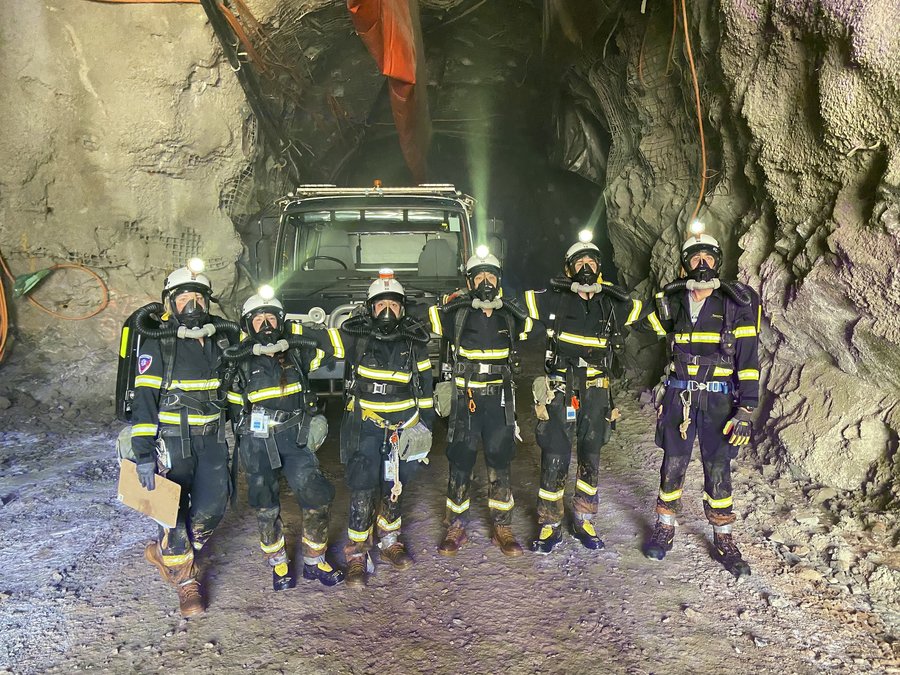
Firefighter training. Team in yellow gear, helmets, & masks, by rescue vehicle. Emergency response personnel, safety drill, outdoor setting.

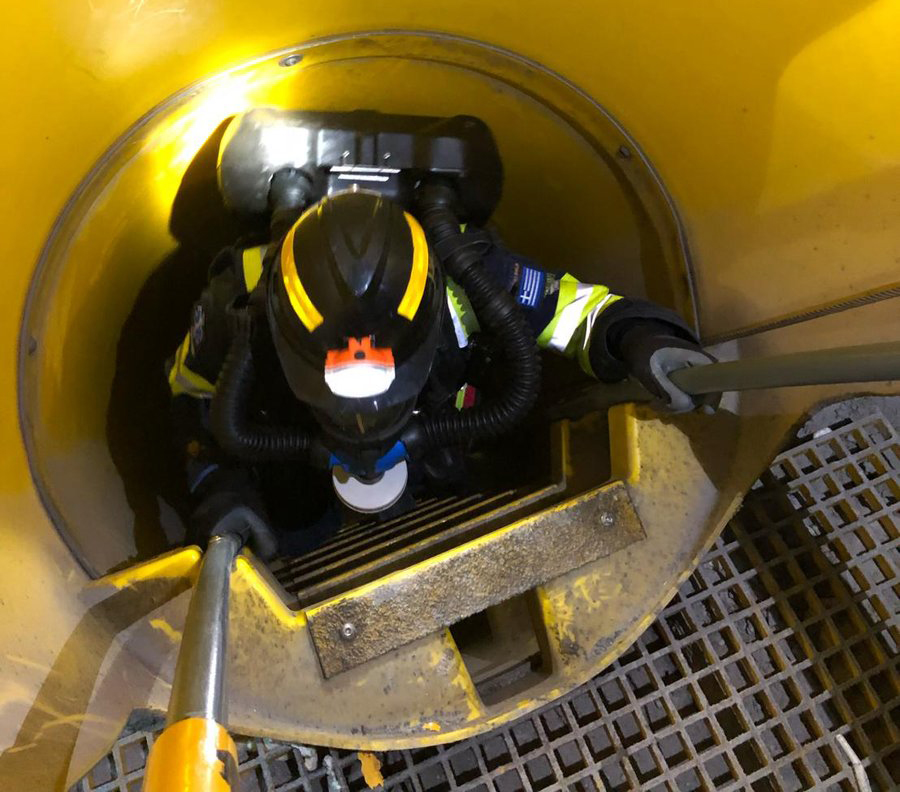
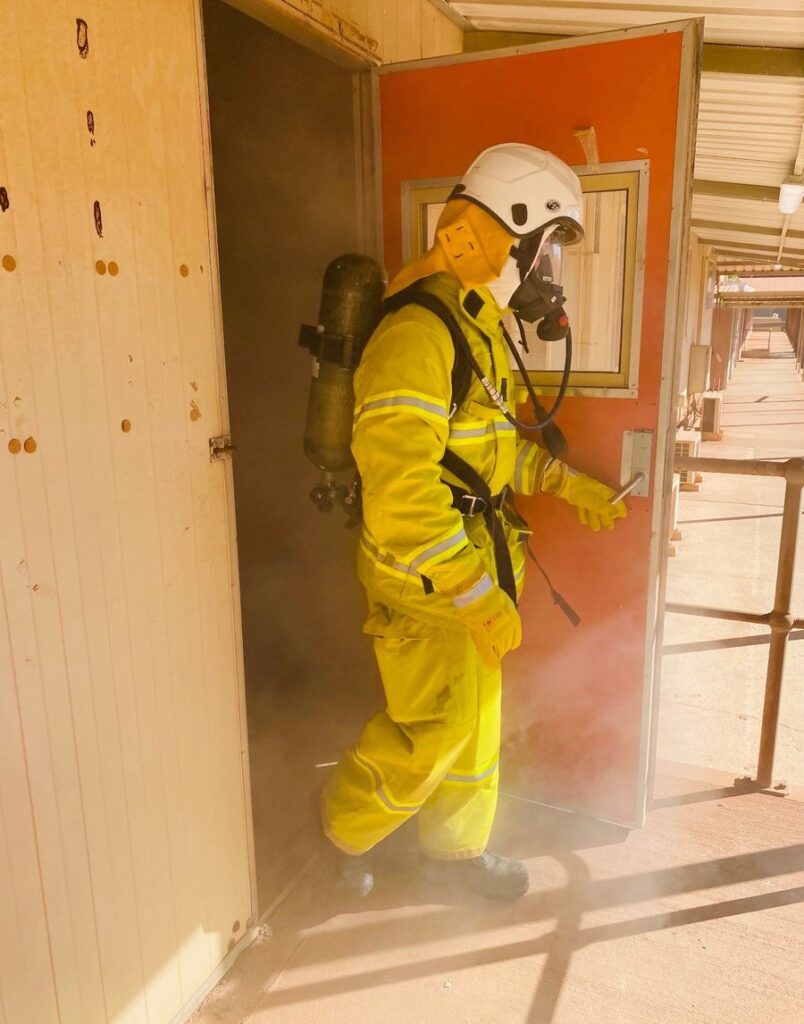
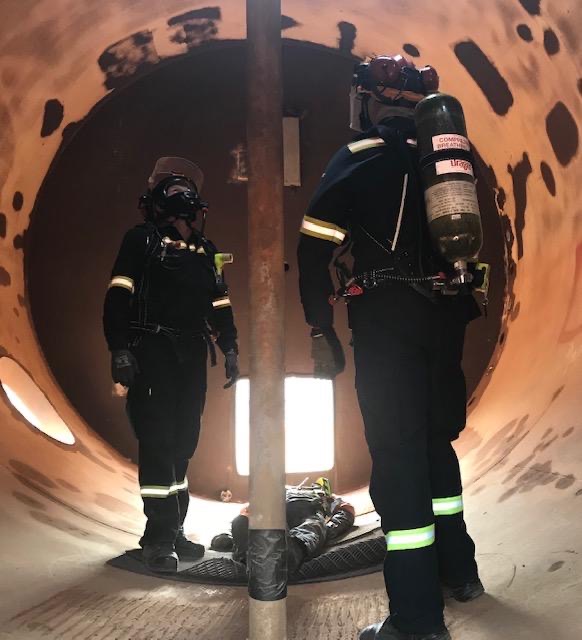
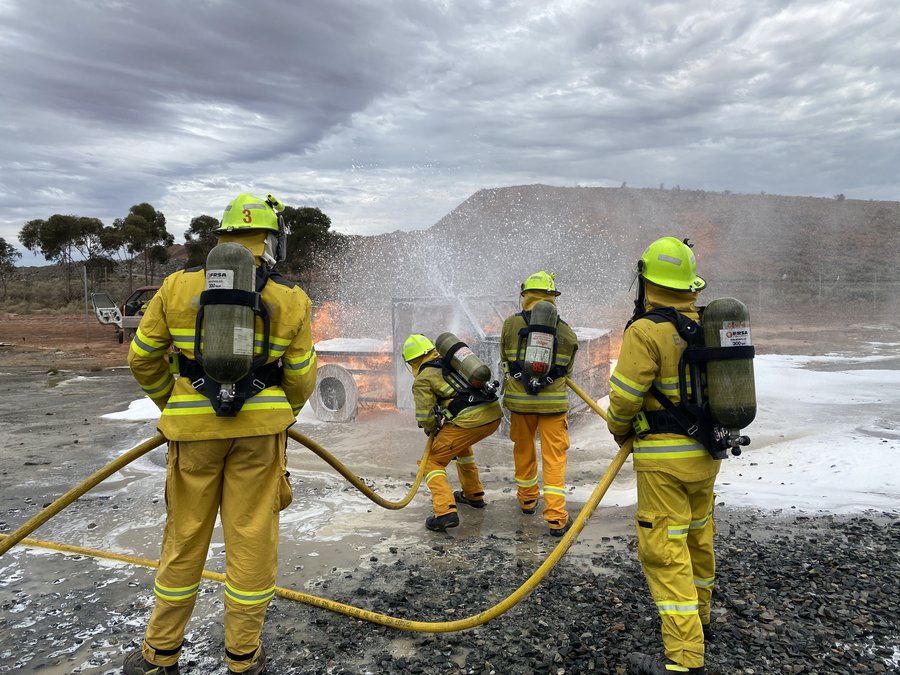
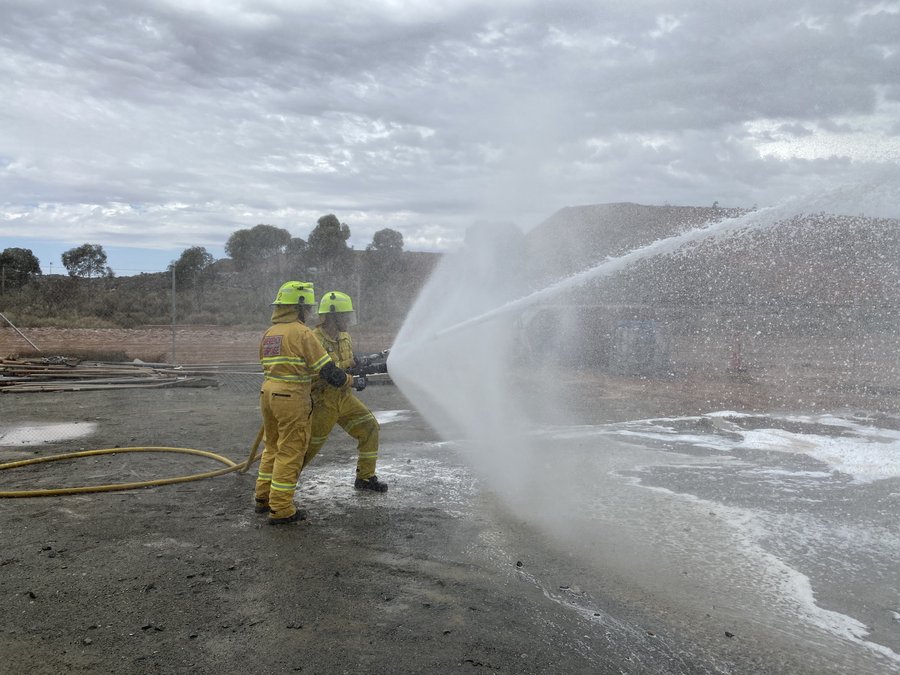
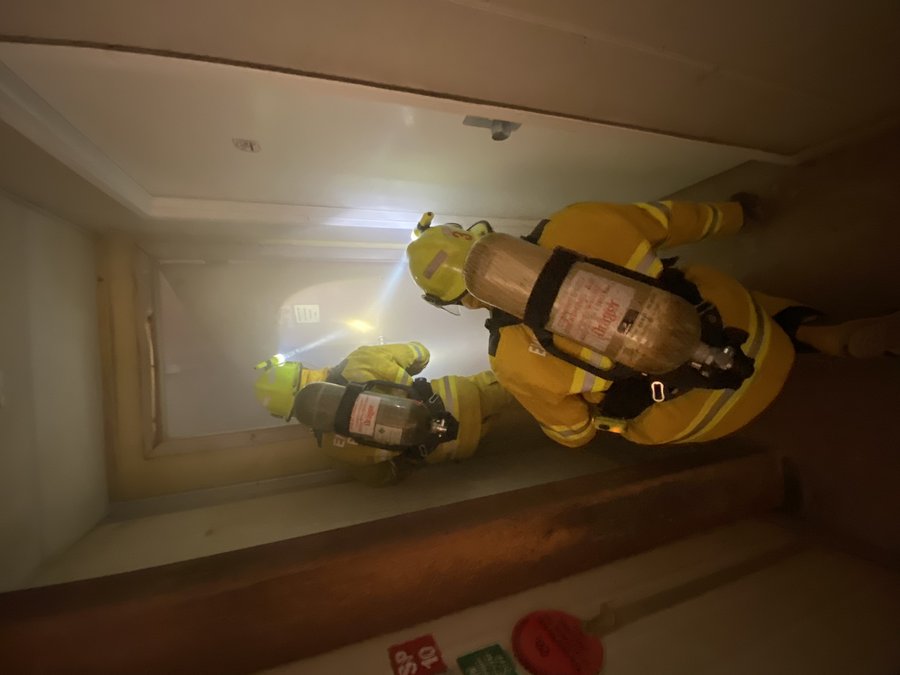
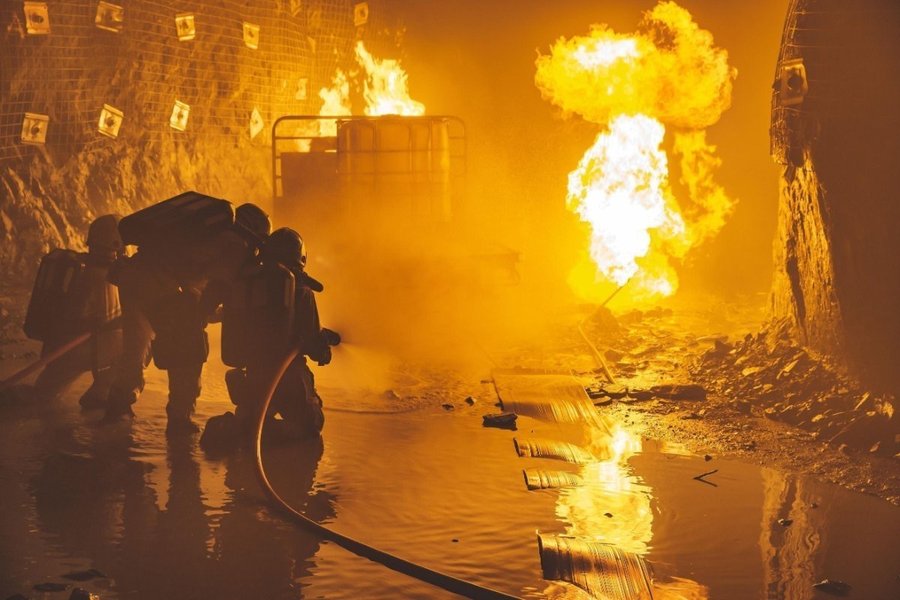
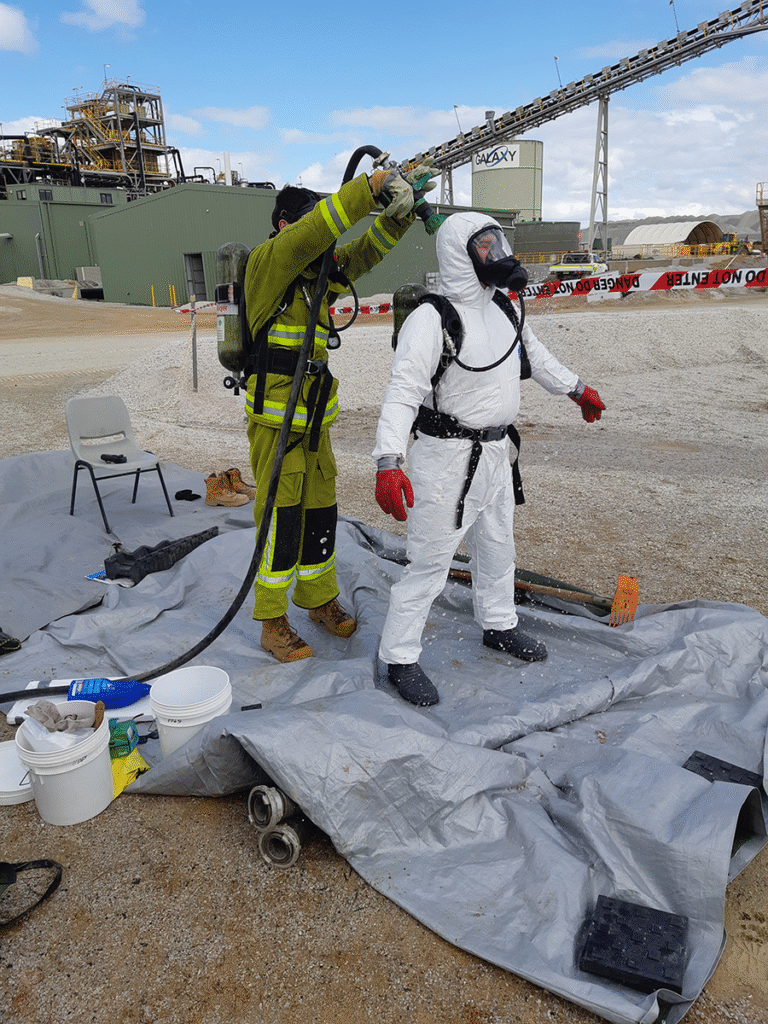
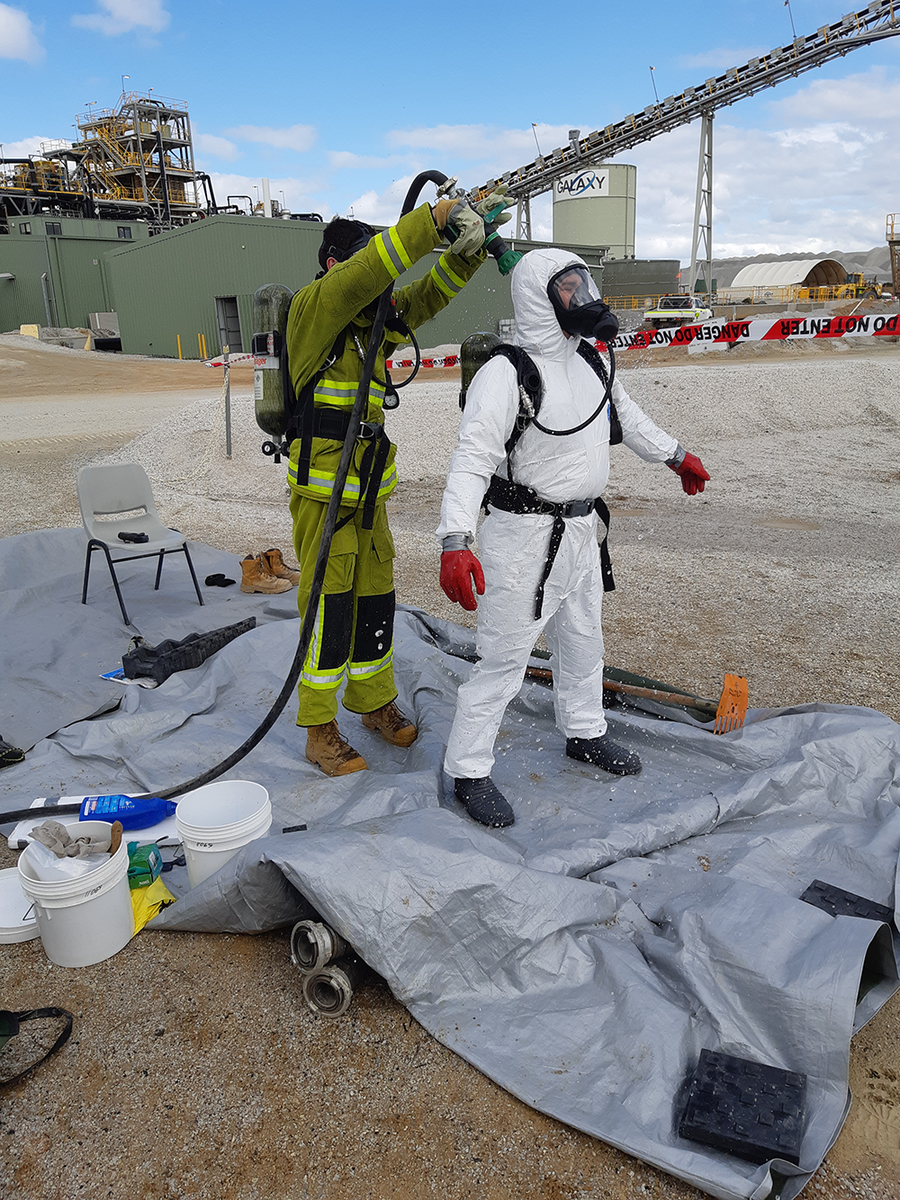
The Breathing Apparatus Operations and Injury Prevention Training is designed to equip participants with the skills and knowledge required to safely operate open-circuit breathing apparatus (OCBA) and implement injury prevention strategies in emergency situations.

It is suitable for individuals who are part of an Emergency Response Team or who may be required to respond to workplace emergencies or rescue incidents in high-risk environments such as the oil and gas, construction, industrial, and resource sectors.

Participants will develop the capability to assess hazardous environments, don and operate open-circuit breathing apparatus, and apply injury prevention procedures while performing emergency response tasks.

The course clusters the following two nationally recognised units of competency:

  • PUAFIR207 Operate breathing apparatus open circuit

  • PUAFIR210 Prevent injury

This training is relevant for roles such as Emergency Response Team (ERT) members and team leaders, supervisors, security personnel, prison officers, and technicians.


The Breathing Apparatus Operations and Injury Prevention Training is comprised of two units of competency, which are delivered and assessed in sequence to satisfy pre-requisite requirements.

PUAFIR210 Prevent injury

This unit equips participants with the skills and knowledge required to identify and avoid workplace hazards and risks, maintain personal safety, and report identified issues to supervisors and team members. Designed as an introduction to safe work practices, it is particularly relevant for workplaces where personnel are involved in incidents, prescribed burns, or operational aspects of emergency management. The unit covers identifying workplace hazards and risks, advising others, implementing hazard and risk control procedures, and monitoring their effectiveness to ensure ongoing workplace safety and compliance.

PUAFIR207 Operate breathing apparatus open circuit

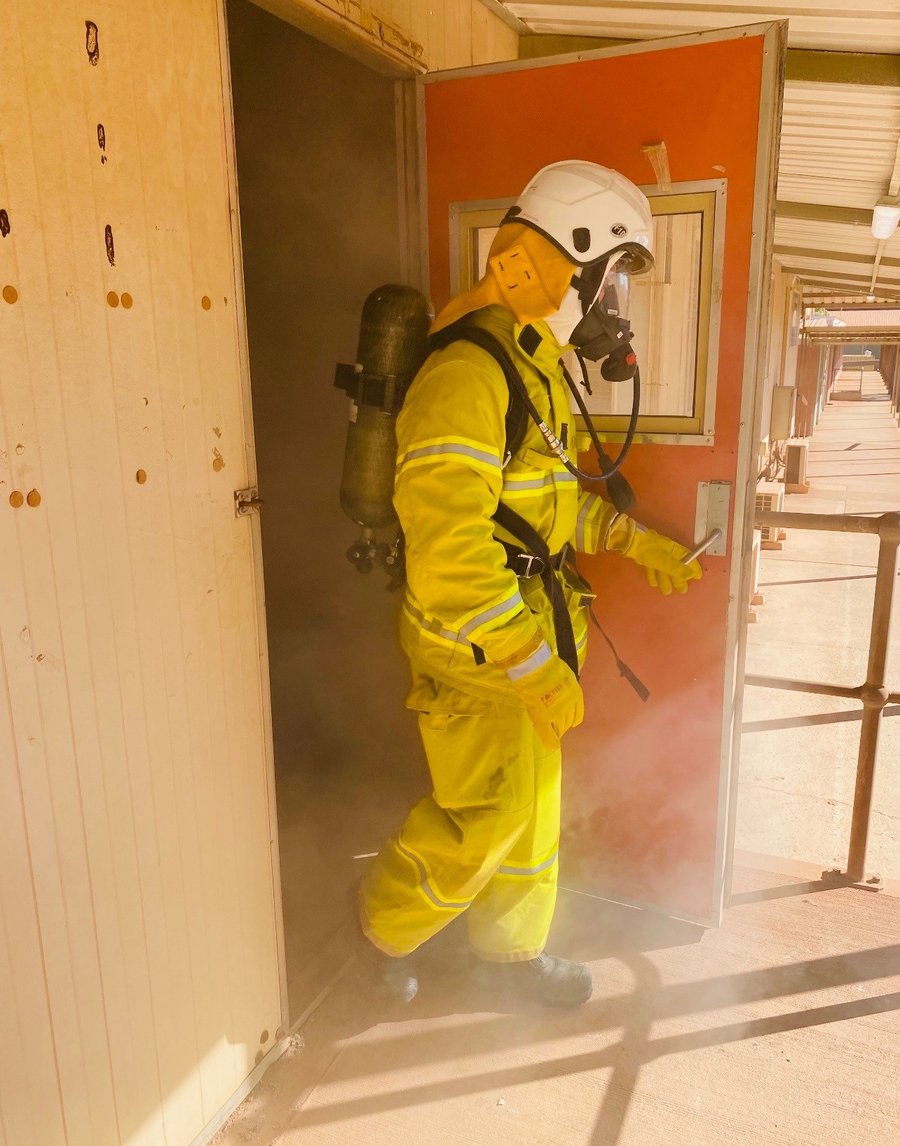
This unit of competency covers the skills and knowledge required to select, don, operate, and maintain open-circuit breathing apparatus in hazardous environments. It includes conducting pre-donning checks and tests, correctly donning and checking the apparatus, operating the equipment safely during use, and concluding operations in accordance with workplace procedures and safety protocols.

Career Pathways

Career opportunities following completion of this training include roles as firefighter recruits, emergency response team members, workplace safety officers, and rescue operations specialists in industries such as fire services, mining, industrial operations, and emergency management.

Study Pathways

After completing this training, students can progress to higher-level qualifications such as the RII30719 Certificate III in Emergency Response & Rescue.

Student Information

Students can access a comprehensive range of training support services, including learning assistance, LLND support, and academic guidance, as well as wellbeing support and referral services for personal or wellbeing-related matters. Details on how to access these services, along with payment terms and conditions, refund policies, and procedures for withdrawing from training, are provided in the Student Handbook and the Training Documents section of the website.

Entry Requirements

To enrol in the Breathing Apparatus Operations and Injury Prevention Training, students must meet the following entry requirements:

  • Provide a government-issued photo identification (e.g. driver’s licence, passport) at the time of enrolment.
  • Hold a valid Unique Student Identifier (USI). This is a mandatory requirement for issuing nationally recognised qualifications in Australia.
  • Complete a Language, Literacy, Numeracy, and Digital Literacy (LLND) assessment at a minimum of Australian Core Skills Framework (ACSF) Level 2 prior to course commencement. This assessment helps determine whether additional learning support is required to successfully complete the qualification.
  • Complete a Health and Fitness Declaration. Students are required to declare any medical condition(s) that may prevent or limit their ability to safely and fully participate in all units of the course.
Student Responsibilities and Practical Requirements
    • Approximately 12 months industry experience.
    • Possess a Laptop/Tablet which they are able to bring with them on training day.
    • Students must have a reasonable level of physical fitness and be capable of lifting and carrying loads of at least 20 kilograms, working in confined spaces, and performing physically demanding emergency response tasks as part of the practical training and assessment requirements.
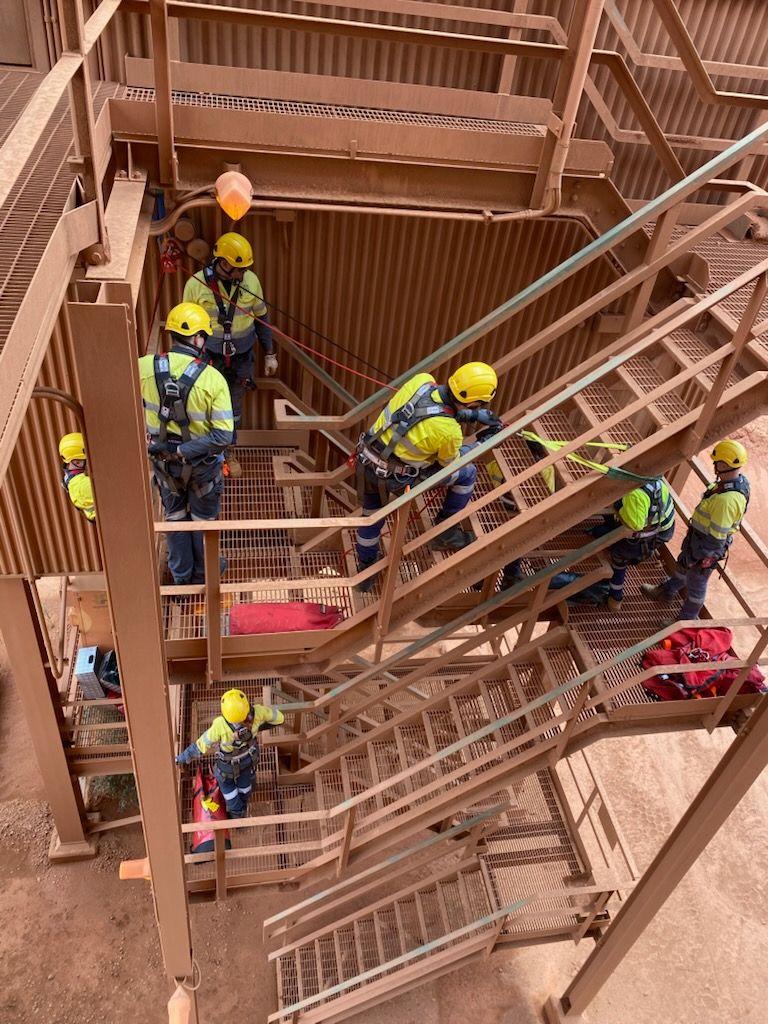
    • Can climb stairs and ladders whilst carrying a load.
    • Can manage the mental and physical effects of a fear of heights.
    • Be clean shaven as per AS1715 
    • Communicate in a clear manner with others.
    • Read and Record measurements.  
    • Record information legibly.  
    • Read and comply with work instructions and specifications.  
    • Wear long pants, long sleeved shirt, safety boots, safety glasses and sun protection on face-to-face training days.

For further information or enquiries regarding course entry requirements, please contact Parabellum International Training at training@parabellum.com.au.

Please review the prerequisites for the specific units listed below:

The unit of competency PUAFIR210 Prevent injury is a is a pre-requisite unit for the PUAFIR207 Operate breathing apparatus open circuit.

It is essential that the prerequisite unit listed above is obtained prior to the issuance of PUAFIR207 Operate breathing apparatus open circuit.

Mode of Delivery

The Breathing Apparatus Operations and Injury Prevention Training is delivered through a combination of theoretical and practical components, led by experienced and qualified trainers who maintain current industry knowledge in fire, emergency response, and rescue operations.

The course is delivered through a combination of structured learning methods, including:

  • Face-to-face practical training exercises
  • Self-paced online learning modules
  • Workplace-based training conducted in real or simulated work environments
  • Blended learning activities, such as workplace simulations and digital assessments integrated with practical demonstrations

This blended approach provides flexibility while ensuring that students develop both the theoretical knowledge and hands-on practical skills required to demonstrate competency in emergency response and rescue operations.

This approach allows for flexibility while ensuring students develop both the knowledge and hands-on skills required for competency in emergency response roles.

Assessment Methods

Assessment is conducted by qualified assessors using a combination of tools and methods, in accordance with the principles of assessment (fairness, flexibility, validity, reliability) and the rules of evidence (valid, sufficient, current, authentic). Students will be assessed as either Competent or Not Yet Competent based on their performance against the unit requirements.

Assessment methods may include:

  • Direct observation of practical skills and tasks during training exercises
  • Verbal questioning to assess underpinning knowledge
  • Written responses to theory-based questions
  • Portfolio evidence, including completed workplace documents or work samples
  • combination of the above methods, as appropriate for each unit
Evidence Collection

Evidence of competency is gathered throughout the course and may include:

  • Completion of theory questions through structured learning plans in the Learning Management System (LMS)
  • Observation checklists completed by the trainer during practical assessments
  • Submission of portfolio evidence, such as workplace forms, reports, or documentation relevant to unit outcomes

This comprehensive approach ensures all students are assessed fairly, consistently, and in accordance with the unit requirements of the Breathing Apparatus Operations and Injury Prevention Training.

Recognition of Prior Learning (RPL) and Credit Transfer (CT)

Parabellum International Training RTO (51786) offers Recognition of Prior Learning (RPL) for students who can demonstrate prior skills and experience relevant to the course outcomes. Students may also be eligible for Credit Transfer (CT) for units of competency they have previously completed through another Registered Training Organisation (RTO).

RPL and CT applications are assessed individually in accordance with our RPL/CT Policy and the requirements of the training package.

Issued by Parabellum International Training (RTO Code: 51786)                                   

Students who successfully complete all assessment requirements of the course will receive a nationally recognised Statement of Attainment, listing the following units of competency:

PUAFIR210 Prevent injury
PUAFIR207 Operate breathing apparatus open circuit

The Statement of Attainment is issued in accordance with the Australian Qualifications Framework (AQF) and complies with the Standards for Registered Training Organisations (RTOs) 2025.

Book A Course Today
Are the dates you wanted fully booked?

To express your interest or enquire about upcoming availability, please contact our team at training@parabellum.com.au

Fill in the form and
we will be in touch!

"*" indicates required fields

This field is hidden when viewing the form

Get in Touch

47 Hope Valley Road, Naval Base, 6165

17 Industrial Avenue, Caloundra, Queensland, 4551

9 Hilliard Street, Gladstone Central, QLD, 4680

Enquire About Our Training Courses

Fill out the form below and you will be one step closer to your qualification.

  • This field is hidden when viewing the form