


$300.00
Premier Choice for Emergency Rescue Training – 10,000+ Graduates Strong
PUAEQU001 Prepare, Maintain and Test Response Equipment
Self-paced
Online
Fill in the form and
we will be in touch!
"*" indicates required fields
why choose parabellum

Tailored solutions designed and delivered by industry experts

Small Training Groups

nationally recognised

quality training equipment

Flexible payment and installments

competitive pricing

State of the art training facility
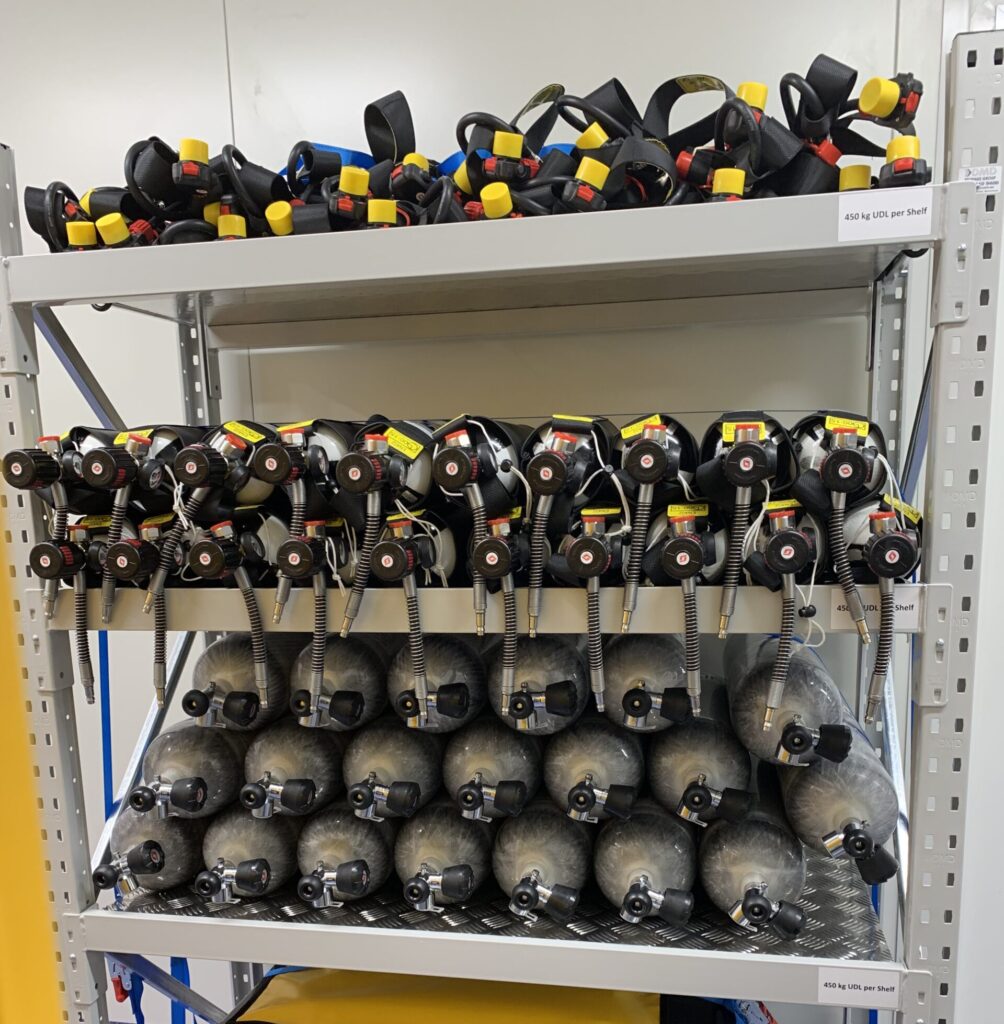
This unit of competency involves the skills and knowledge required to inspect, maintain and test a range of equipment. It includes inspecting response equipment, testing response equipment and cleaning, maintaining and restowing equipment.
The unit applies to personnel who have either a primary role in the maintenance of equipment or who are required to test and maintain response equipment as part of an operational role.
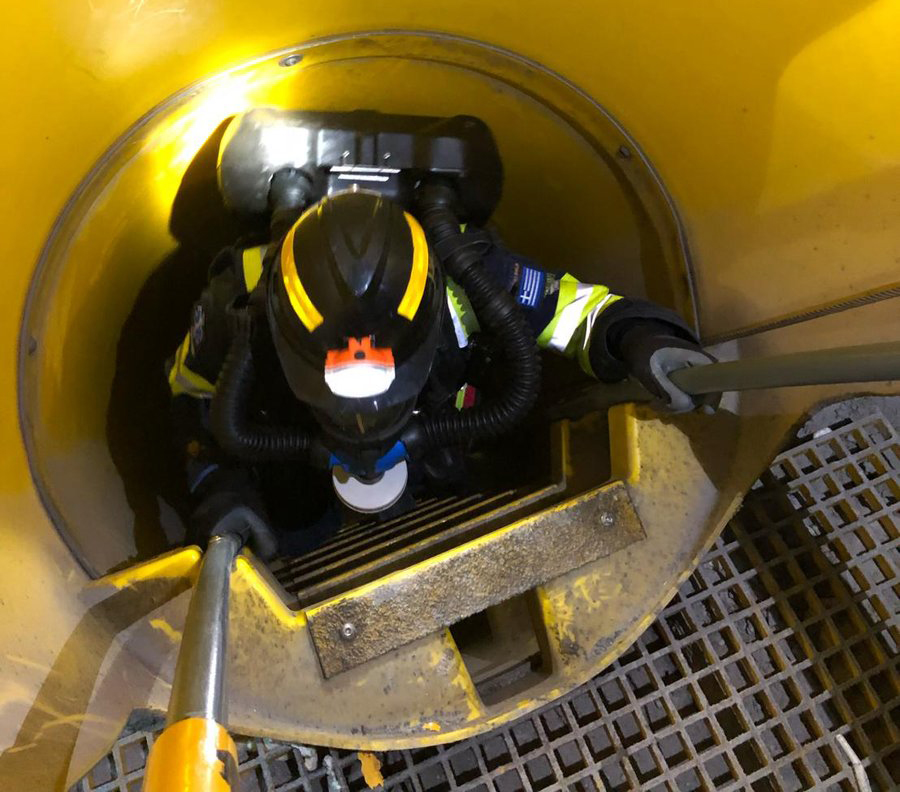
Students who successfully undertake this course will have the skills and knowledge required to:
- Inspect response equipment
- Test response equipment
- Clean, maintain and restow equipment
A government issued photo identification and valid USI is required for course registration.
All students must undertake a language, literacy, numeracy, and digital literacy test before commencement of this course to ascertain if support is required to assist you into successfully meeting your goals.
Students must also possess the following:
- Approximately 12 months Industry Experience
- Communicate clearly with others in a concise manner verbally and in writing
- Read and Record information legibly and neatly
- Record information legibly
- Read and comply with work instructions and specifications
If you have any questions or queries relating to any of the above, please contact Parabellum International Training directly for additional information.
PUAEQU001 Prepare, Maintain and Test Response Equipment
This course is delivered via our online learning management system.
Students who attend and successfully meet all assessment requirements of the course will receive a nationally recognised statement of attainment with the following units of competency: PUAEQU001 Prepare, Maintain and Test Response Equipment
Book A Course Today
Are the dates you wanted fully booked?
To express your interest or enquire about upcoming availability, please contact our team at training@parabellum.com.au
Fill in the form and
we will be in touch!
"*" indicates required fields
Get in Touch
Enquire About Our Training Courses
Fill out the form below and you will be one step closer to your qualification.