
RII30719 Certificate III in Emergency Response and Rescue
17 days scheduled Monday to Friday, 9AM-5PM with approximately 10 hours of training per day.
Flexible Delivery Options:
- Intensive Format: Complete all 17 days consecutively over 4 weeks
- Monthly Blocks: One week per month over 6 months (perfect for busy professionals).
- Custom Schedule: Training days may be delivered consecutively or spaced out over time, depending on cohort needs, workplace arrangements, or delivery mode.
- FIFO Friendly: Our flexible scheduling is specifically designed for fly-in-fly-out workers and busy professionals.
Fill in the form and
we will be in touch!
"*" indicates required fields

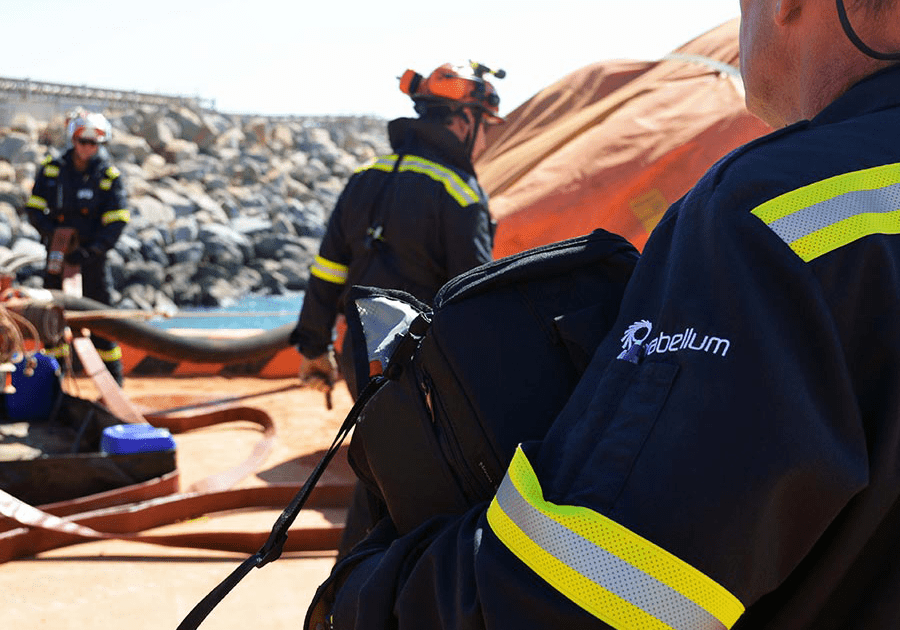
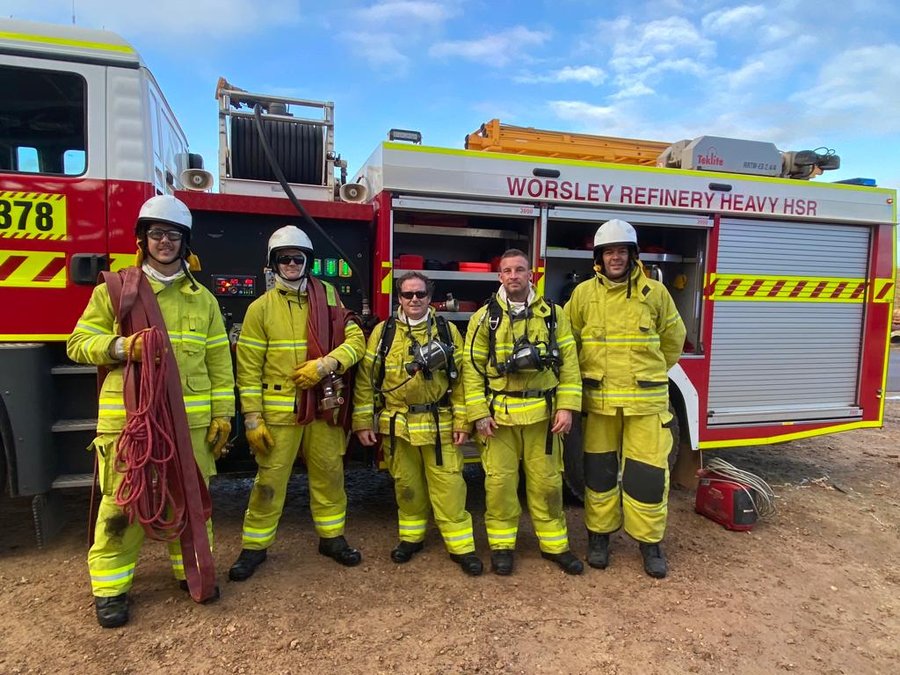
The RII30719 Certificate III in Emergency Response and Rescue is the nationally recognised and industry-preferred qualification for individuals working as Emergency Response Team (ERT) members within the resources and infrastructure sectors.
This qualification reflects the role of personnel who perform a broad range of skilled emergency response tasks in various high-risk environments. It is designed for individuals who use discretion and judgment in selecting equipment, services, or implementing contingency measures during emergency situations.
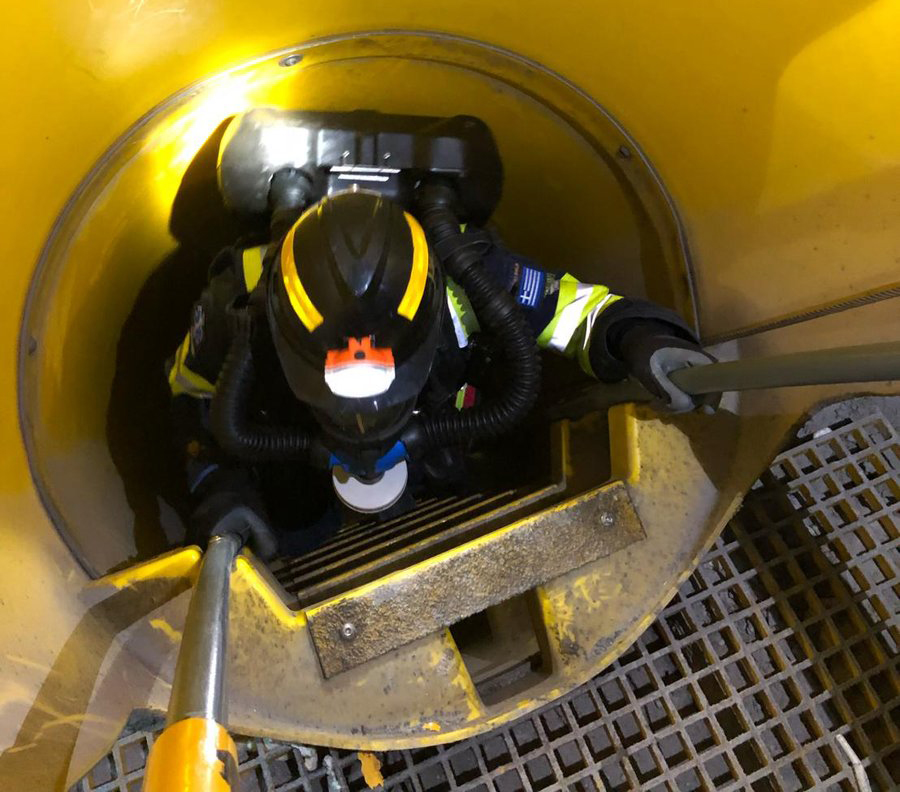
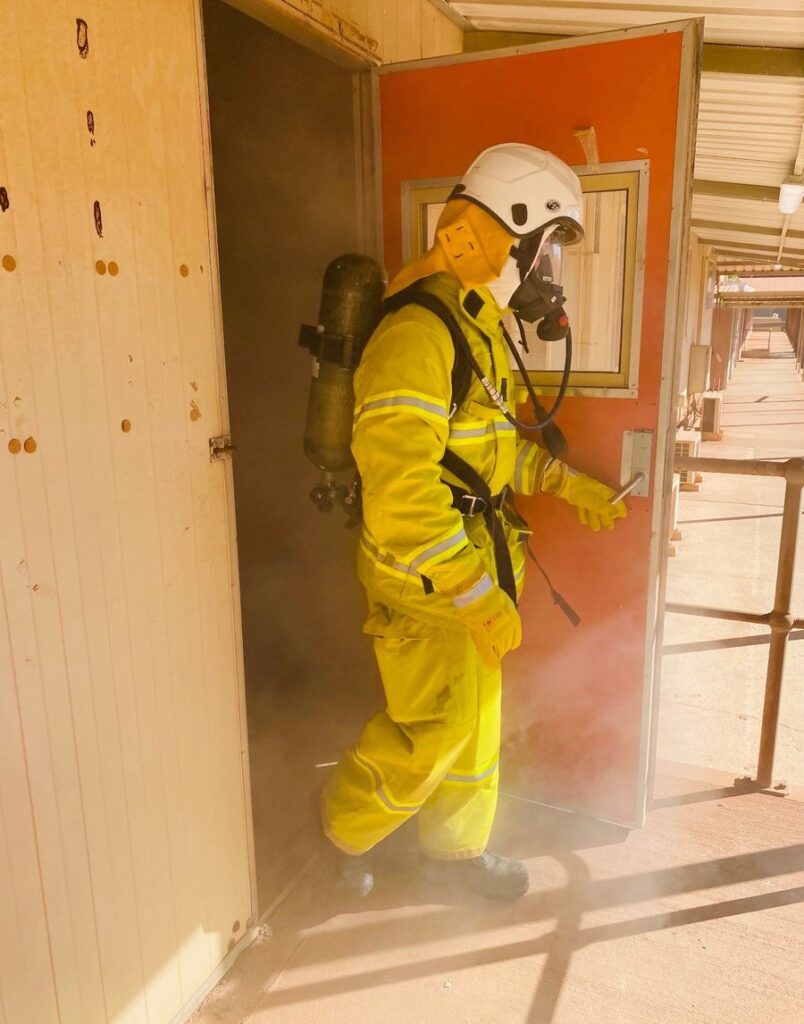
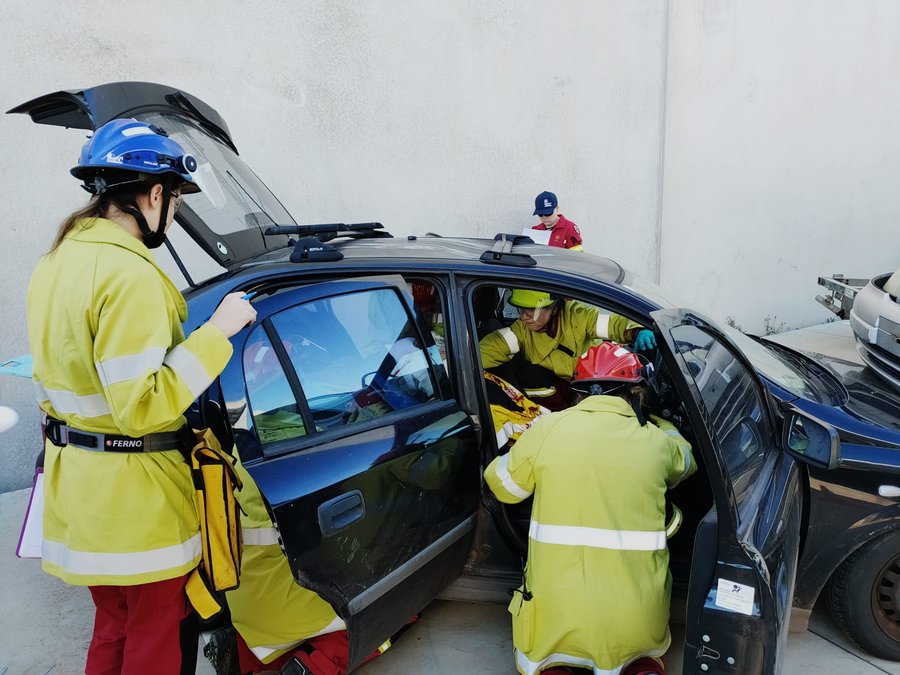
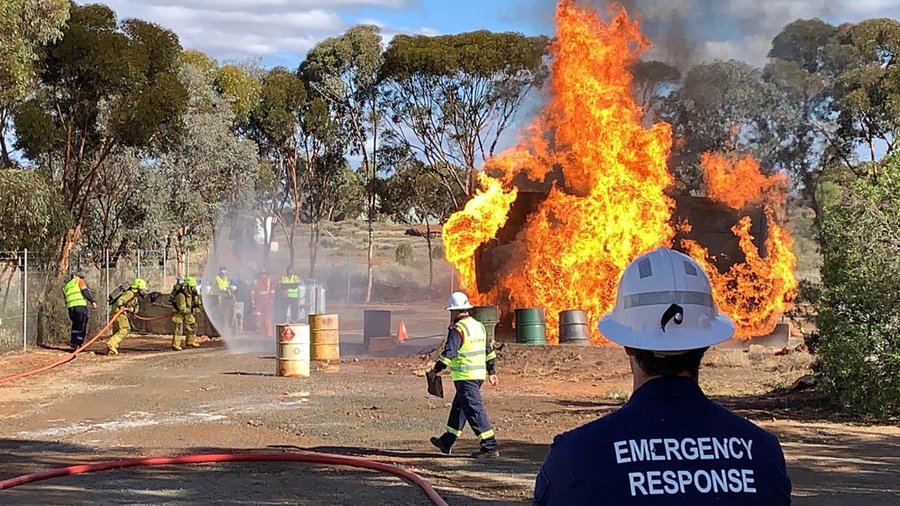
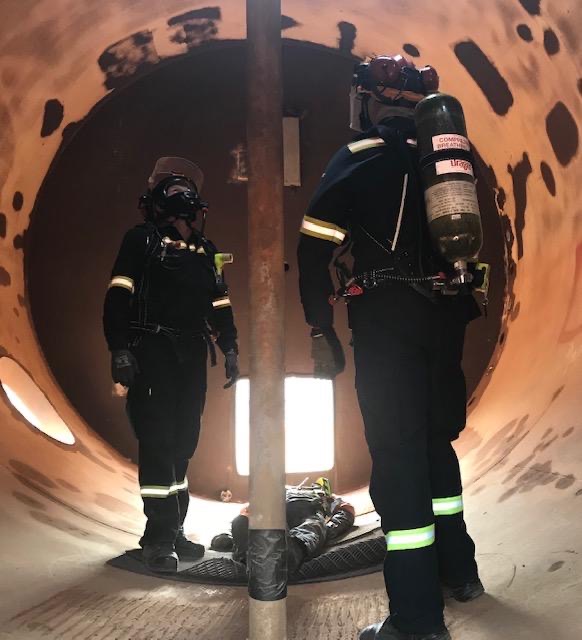
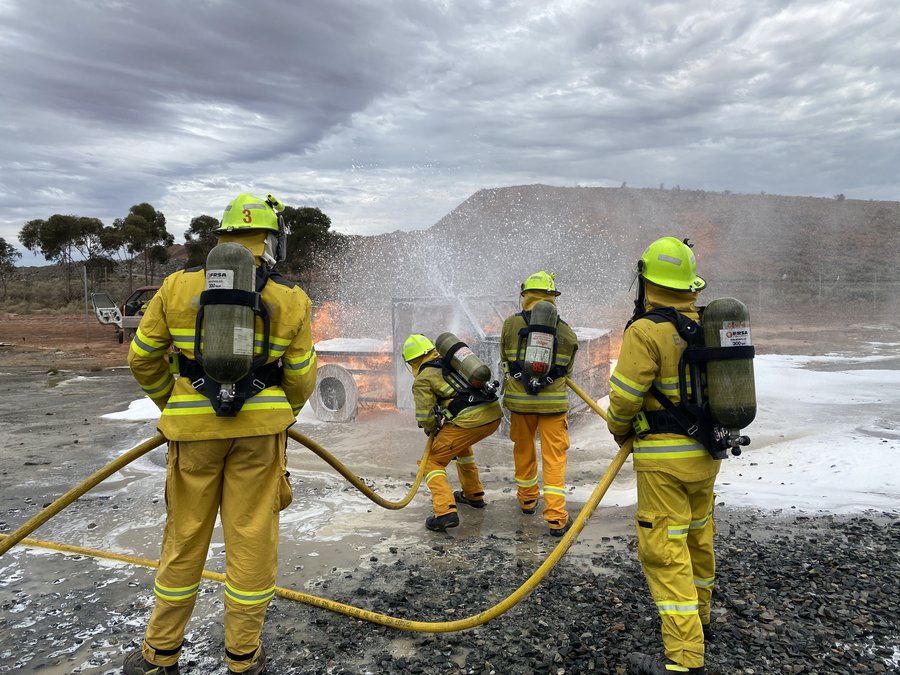
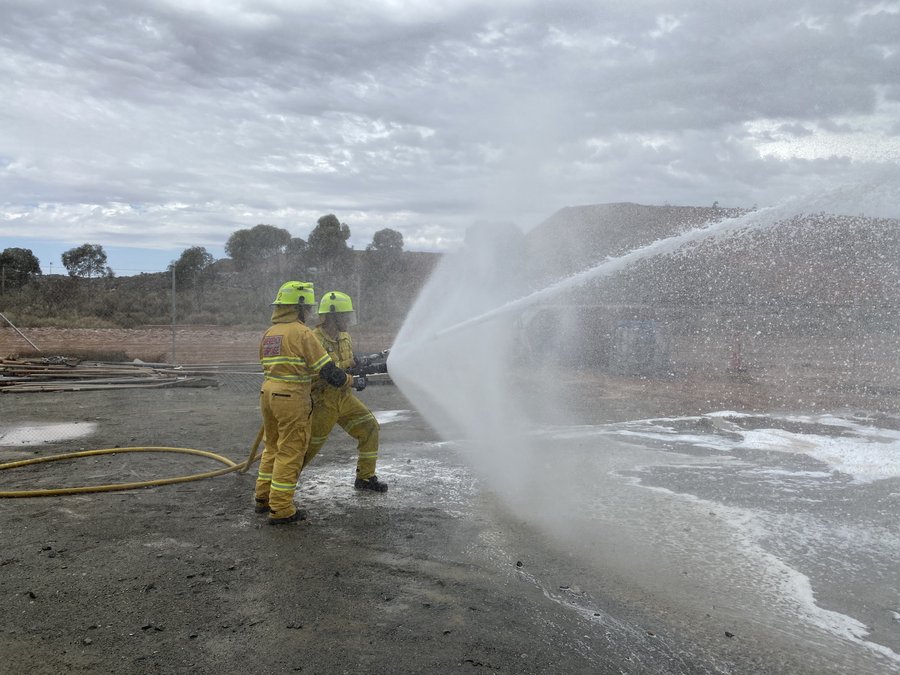
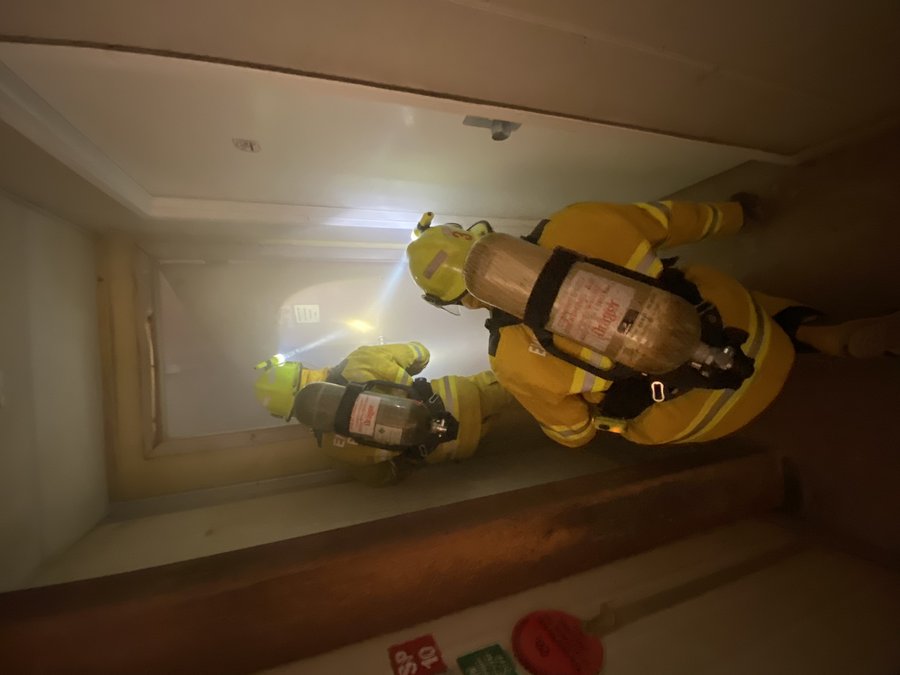
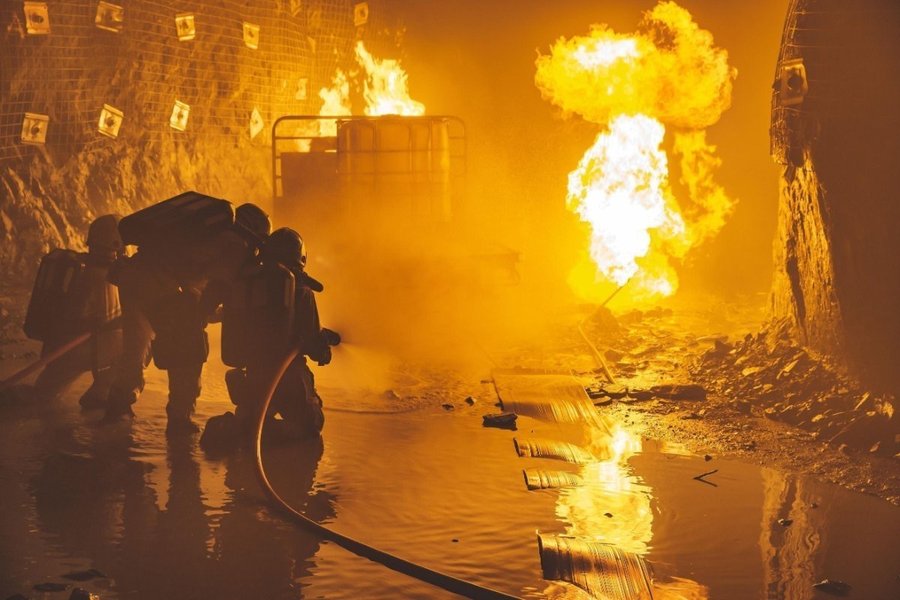
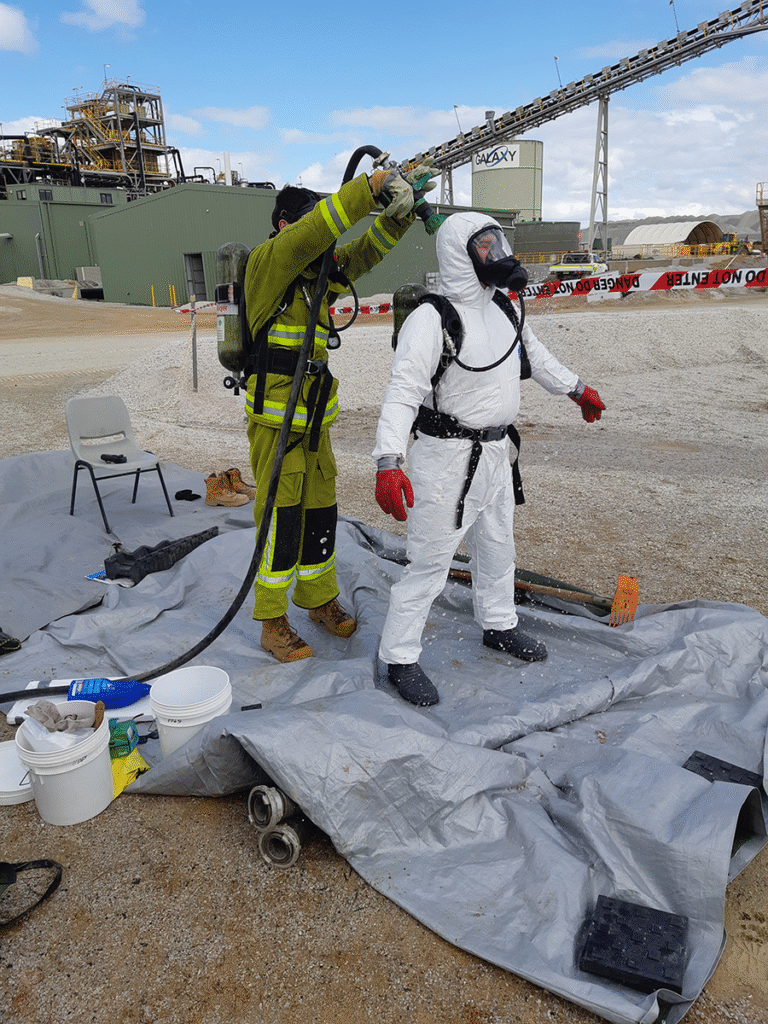
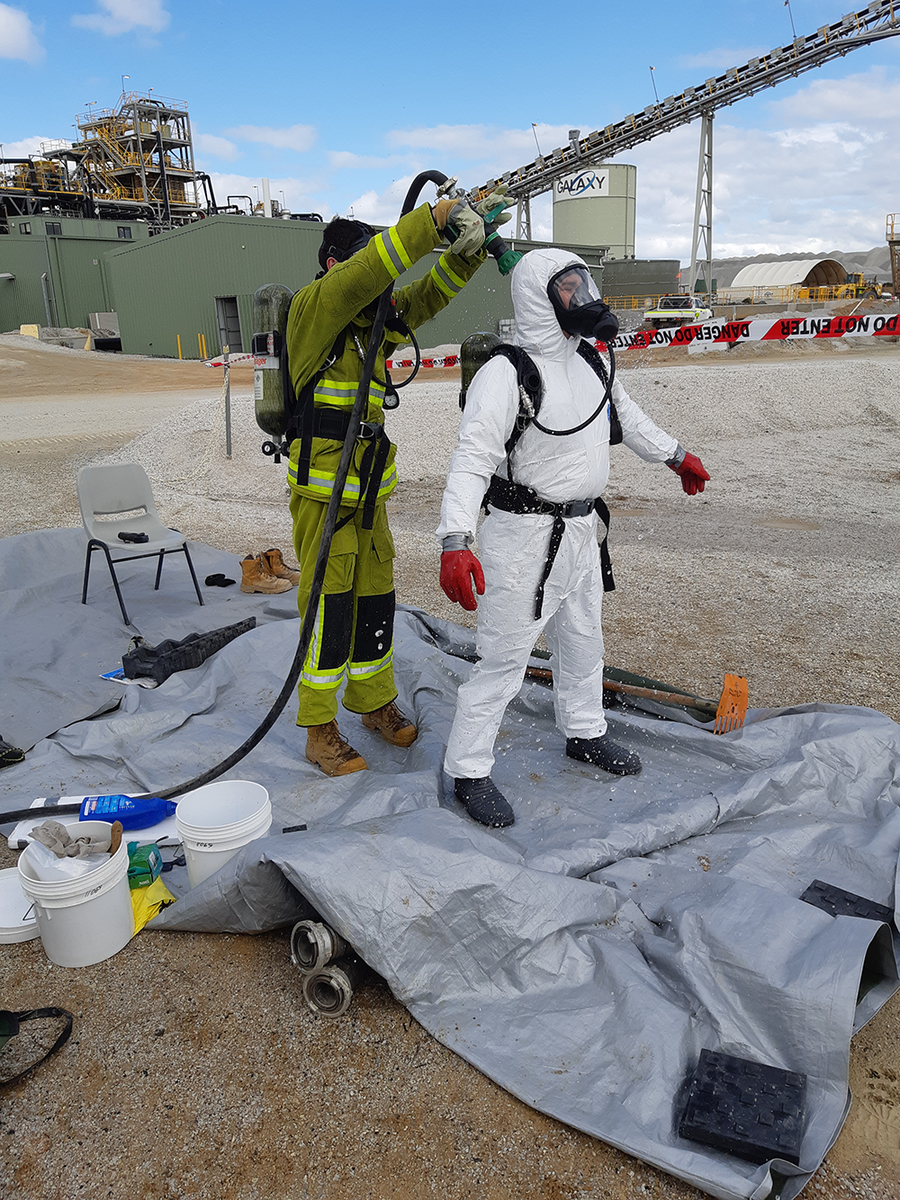
This course develops the knowledge and practical skills required to respond effectively to incidents such as fires, hazardous materials spills, road crash rescues, and confined space emergencies. It is ideal for current or aspiring ERT personnel employed in the mining, resources, construction, or related industries.
Why Choose Our Cert III Emergency Response and Rescue Training?
- Nationally recognised RII30719 Certificate III in Emergency Response and Rescue qualification
- Comprehensive rescue and emergency response training with hands-on practice
- Perfect preparation for Emergency Response Team positions in mining
- 10,000+ graduates successfully trained across Australia
- State-of-the-art training facilities and rescue equipment
The RII30719 Certificate III in Emergency Response and Rescue consists of 14 units of competency: 5 core units and 9 elective units, selected to align with the student’s current or intended work environment in accordance with the training package requirements.
Core Units:
HLTAID014 Provide Advanced First Aid
RIICOM201D Communicate in the workplace
RIIERR301E Respond to work site incidents
RIIRIS301E Apply risk management processes
RIIWHS201D Work safely and follow WHS policies and procedures
Elective Units:
PUASAR022 Participate in a rescue operation
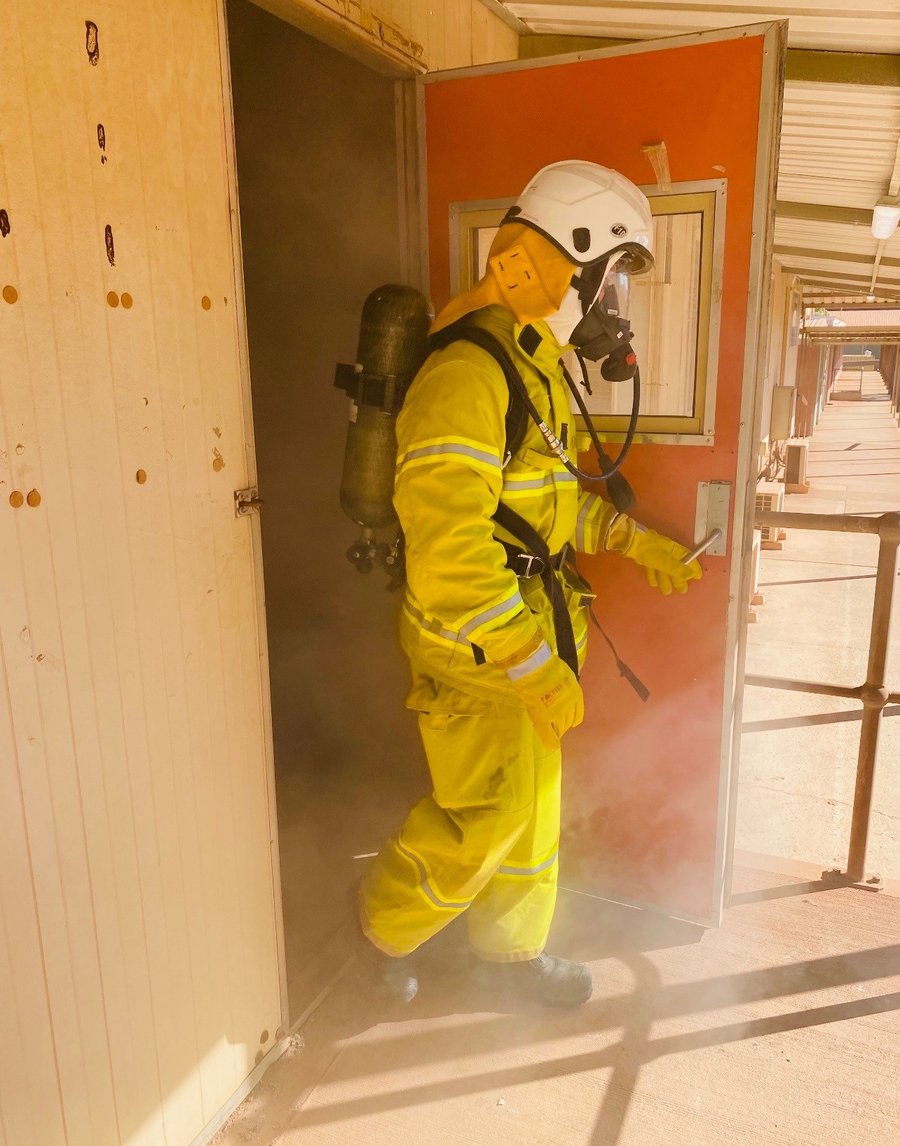
PUAFIR207 Operate breathing apparatus open circuit
PUAFIR306 Identify, detect and monitor hazardous materials at an incident
PUASAR024 Undertake road crash rescue
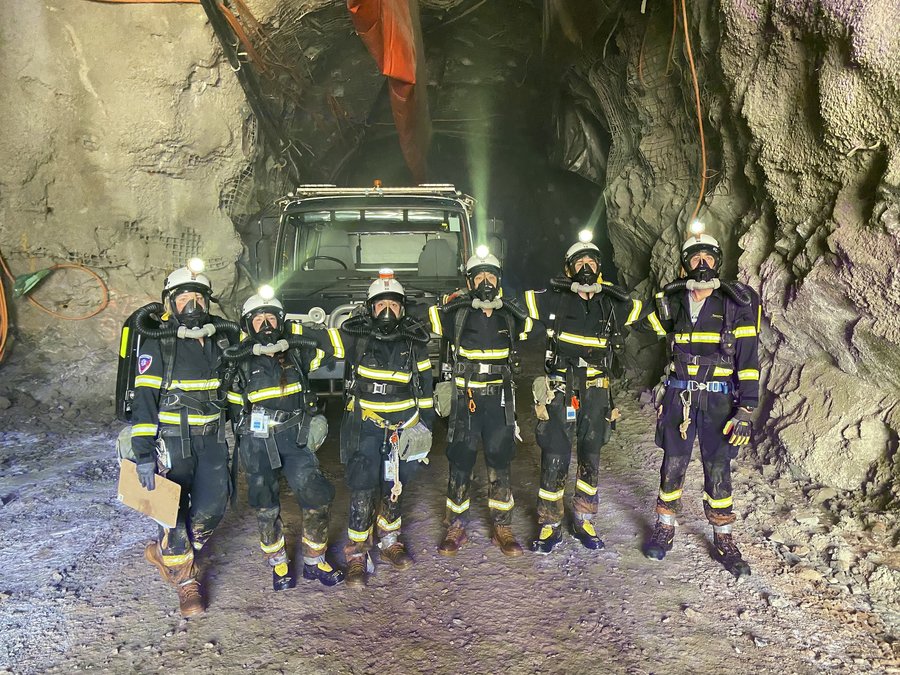
PUASAR025 Undertake confined space rescue
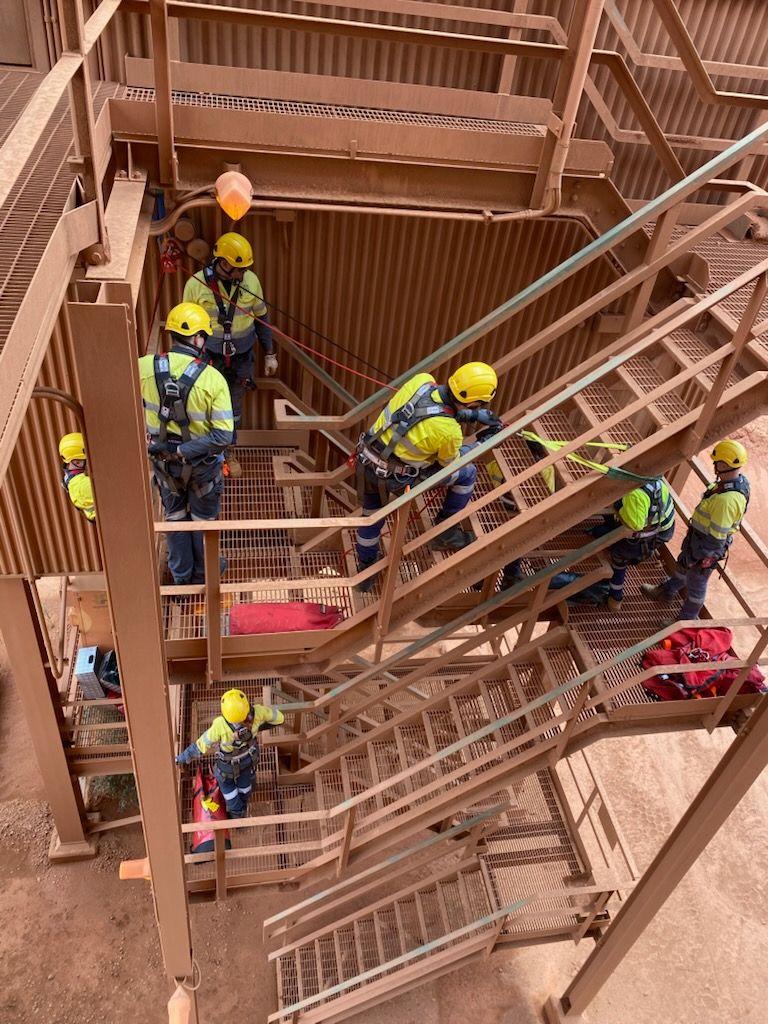
PUASAR032 Undertake vertical rescue
RIIERR201E Conduct fire team operations
RIIERR302E Respond to local emergencies and incidents
PUAEQU001 Prepare, maintain and test response equipment
After successful completion of all units of competency, students will gain the knowledge and practical skills required to operate effectively in emergency response and rescue environments.
Career Pathways
After completing RII30719 Certificate III in Emergency Response and Rescue, graduates are equipped with the practical skills and knowledge required for roles in emergency response and rescue operations within high-risk environments such as mining, oil and gas, construction, and heavy industry. Below are typical career pathways:
- Emergency Services Officer (ESO)
- Mines Rescue Team Member
- Emergency Response Team Leader
- Safety and Emergency Coordinator
- Industrial Firefighter
Study Pathways
While the units of competency do not have a formal expiry date, industry expectations may require refresher training every 2 to 5 years, depending on the individual’s experience, job role, and current skill level. Refresher training for specific units can be completed through Parabellum International Training (RTO 51786) and booked as individual short courses.
Graduates may choose to further continue developing their skills and knowledge through qualifications such as:
-
RII41319 Certificate IV in Emergency Response Coordination
Students can access a comprehensive range of training support services, including learning assistance, LLND support, and academic guidance, as well as wellbeing support and referral services for personal or wellbeing-related matters. Details on how to access these services, along with payment terms and conditions, refund policies, and procedures for withdrawing from training, are provided in the Student Handbook and the Training Documents section of the website.
Entry Requirements
To enrol in the RII30719 Certificate III in Emergency Response and Rescue, students must meet the following entry requirements:
- Provide a government-issued photo identification (e.g. driver’s licence, passport) at the time of enrolment.
- Hold a valid Unique Student Identifier (USI). This is a mandatory requirement for issuing nationally recognised qualifications in Australia.
- Complete a Language, Literacy, Numeracy, and Digital Literacy (LLND) assessment at a minimum of Australian Core Skills Framework (ACSF) Level 2 prior to course commencement. This assessment helps determine whether additional learning support is required to successfully complete the qualification.
- Complete a Health and Fitness Declaration. Students are required to declare any medical condition(s) that may prevent or limit their ability to safely and fully participate in all units of the course.
Student Responsibilities and Practical Requirements
- Approximately 12 months industry experience.
- Possess a Laptop/Tablet which they are able to bring with them on training day.
- Students must have a reasonable level of physical fitness and be capable of lifting and carrying loads of at least 20 kilograms, working in confined spaces, and performing physically demanding emergency response tasks as part of the practical training and assessment requirements.
- Can climb stairs and ladders whilst carrying a load.
- Can manage the mental and physical effects of a fear of heights.
- Be clean shaven as per AS1715
- Communicate in a clear manner with others.
- Read and Record measurements.
- Record information legibly.
- Read and comply with work instructions and specifications.
- Wear long pants, long sleeved shirt, safety boots, safety glasses and sun protection on face-to-face training days.
For further information or enquiries regarding course entry requirements, please contact Parabellum International Training at training@parabellum.com.au.
Please review the prerequisites for the specific units listed below:
- PUAEQU001 Prepare, maintain and test response equipment > Prerequisite Unit > PUAFIR210 Prevent injury
- PUAFIR207 Operate breathing apparatus open circuit > Prerequisite Unit > PUAFIR210 Prevent injury
- PUAFIR324 Render hazardous materials incidents safe > Prerequisite Unit > PUAFIR207 Operate breathing apparatus open circuit
- PUAFIR306 Identify, detect, and monitor hazardous materials at an incident > Prerequisite Unit > PUAFIR207 Operate breathing apparatus open circuit
- PUASAR022 Participate in a rescue operation > Prerequisite Unit > HLTAID011 Provide First Aid
- PUASAR025 Undertake confined space rescue > Prerequisite Units >
- PUAFIR306 Identify, detect, and monitor hazardous materials at an incident
- PUASAR022 Participate in a rescue operation
All prerequisite units will be delivered during the course in the required sequence to ensure compliance with prerequisite requirements.
Mode of Delivery
The RII30719 Certificate III in Emergency Response and Rescue is delivered through a combination of theoretical and practical components, led by experienced and qualified trainers who maintain current industry knowledge in fire, emergency response, and rescue operations.
The course is delivered through a combination of structured learning methods, including:
- Face-to-face practical training exercises
- Self-paced online learning modules
- Workplace-based training conducted in real or simulated work environments
- Blended learning activities, such as workplace simulations and digital assessments integrated with practical demonstrations
This blended approach provides flexibility while ensuring that learners develop both the theoretical knowledge and hands-on practical skills required to demonstrate competency in emergency response and rescue operations.
This approach allows for flexibility while ensuring learners develop both the knowledge and hands-on skills required for competency in emergency response roles.
Assessment Methods
Assessment is conducted by qualified assessors using a combination of tools and methods, in accordance with the principles of assessment (fairness, flexibility, validity, reliability) and the rules of evidence (valid, sufficient, current, authentic). Students will be assessed as either Competent or Not Yet Competent based on their performance against the unit requirements.
Assessment methods may include:
- Direct observation of practical skills and tasks during training exercises
- Verbal questioning to assess underpinning knowledge
- Written responses to theory-based questions
- Portfolio evidence, including completed workplace documents or work samples
- A combination of the above methods, as appropriate for each unit
Evidence Collection
Evidence of competency is gathered throughout the course and may include:
- Completion of theory questions through structured learning plans in the Learning Management System (LMS)
- Observation checklists completed by the trainer during practical assessments
- Submission of portfolio evidence, such as workplace forms, reports, or documentation relevant to unit outcomes
This comprehensive approach ensures all learners are assessed fairly, consistently, and in accordance with the unit requirements of the RII30719 Certificate III in Emergency Response and Rescue qualification.
Recognition of Prior Learning (RPL) and Credit Transfer (CT)
Parabellum International Training RTO (51786) offers Recognition of Prior Learning (RPL) for students who can demonstrate prior skills and experience relevant to the course outcomes. Students may also be eligible for Credit Transfer (CT) for units of competency they have previously completed through another Registered Training Organisation (RTO).
RPL and CT applications are assessed individually in accordance with our RPL/CT Policy and the requirements of the training package.
Issued by Parabellum International Training (RTO Code: 51786)
Students who successfully complete all training and assessment requirements of the course will be awarded the nationally recognised qualification in RII30719 Certificate III in Emergency Response and Rescue
Graduates will receive a Testamur for the qualification, along with a Record of Results listing the units of competency achieved:
- HLTAID014 Provide Advanced First Aid
- RIICOM201D Communicate in the workplace
- RIIERR301E Respond to work site incidents
- RIIRIS301E Apply risk management processes
- RIIWHS201D Work safely and follow WHS policies and procedures
- PUASAR022 Participate in a rescue operation
- PUAFIR207 Operate breathing apparatus open circuit
- PUAFIR306 Identify, detect and monitor hazardous materials at an incident
- PUASAR024 Undertake road crash rescue
- PUASAR025 Undertake confined space rescue
- PUASAR032 Undertake vertical rescue
- RIIERR201E Conduct fire team operations
- RIIERR302E Respond to local emergencies and incidents
- PUAEQU001 Prepare, maintain and test response equipment
This qualification is issued in accordance with the Australian Qualifications Framework (AQF) and complies with the Standards for Registered Training Organisations (RTOs) 2025.
Please note:
In addition to the Testamur and Record of Results, students may also receive a Statement of Attainment for units completed outside of the qualification packaging requirements, depending on workplace needs or specific enrolment arrangements.
Additional units of competency that may be delivered and assessed include:
- HLTAID009 Provide cardiopulmonary resuscitation
- HLTAID011 Provide first aid
- PUAFIR210 Prevent injury
- PUAFIR308 Employ personal protection at a hazardous materials incident
- PUAFIR324 Render hazardous materials incidents safe
- PUAFIR203 Respond to urban fire
Successful completion of these units will result in a separate Statement of Attainment being issued.
To express your interest or enquire about upcoming availability, please contact our team at training@parabellum.com.au
Fill in the form and
we will be in touch!
"*" indicates required fields
Get in Touch
Enquire About Our Training Courses
Fill out the form below and you will be one step closer to your qualification.